Interior Design
27 Studio Apartment Design Ideas That Make Your Space Feel Twice As Big
By Mohit Chakravorty
May 25 2025
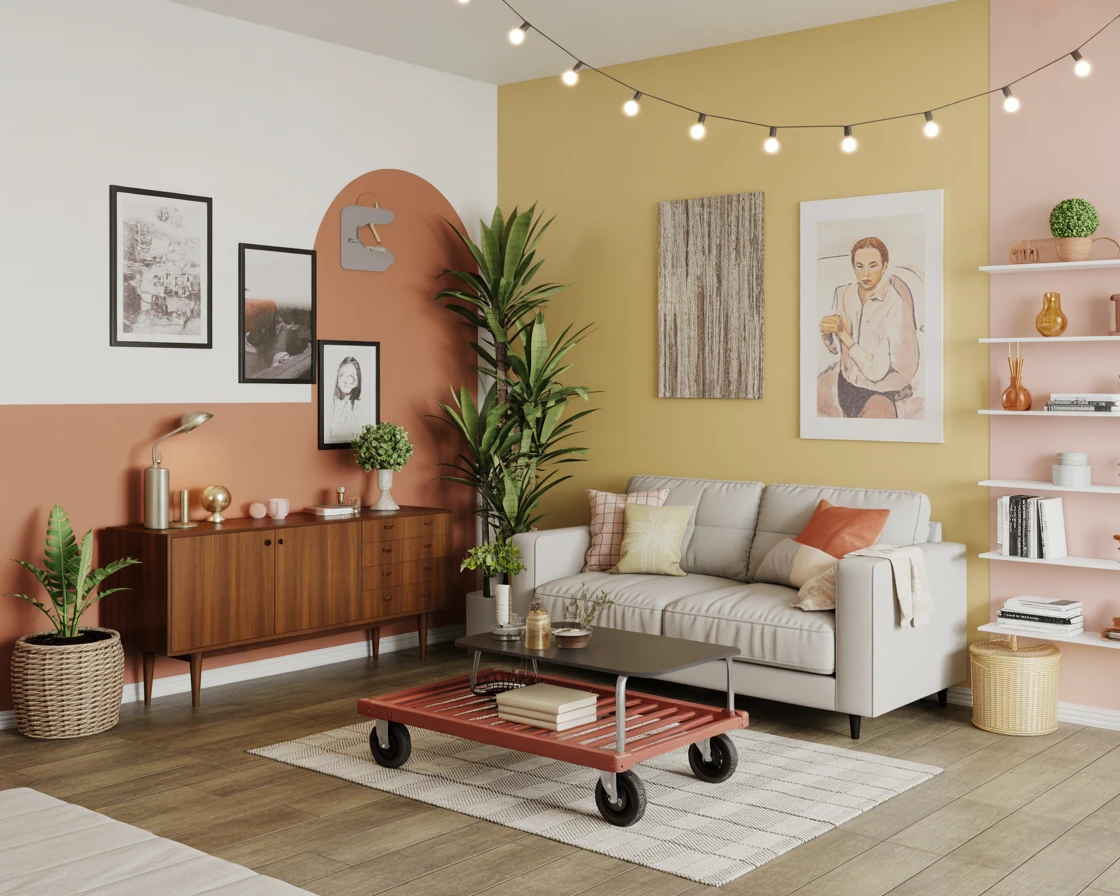
Think studio apartments mean design limitations? Think again. These compact spaces offer the perfect canvas for creative expression, where constraints become opportunities for brilliance. In a studio, every design choice matters—creating homes that feel intentional, functional, and undeniably you.
We've curated 27 distinct studio apartment design styles that prove small spaces can have massive personality. From Scandinavian minimalism to vibrant color-drenching, these studio apartment decor ideas showcase the incredible versatility of compact living. Whether you're renting a tiny studio apartment or looking to refresh your existing space, there's something here for every taste and budget.
What sets these stylish studio apartment design ideas apart is their focus on cohesive aesthetics rather than just clever storage. While smart layouts remain essential to cozy studio apartment living, it's the intentional design approach that transforms utilitarian spaces into showstoppers.
Ready to discover designs that might make your friends with larger homes envious? Let's explore.
Timeless Design Styles for Studio Apartments
1. Scandinavian Serenity
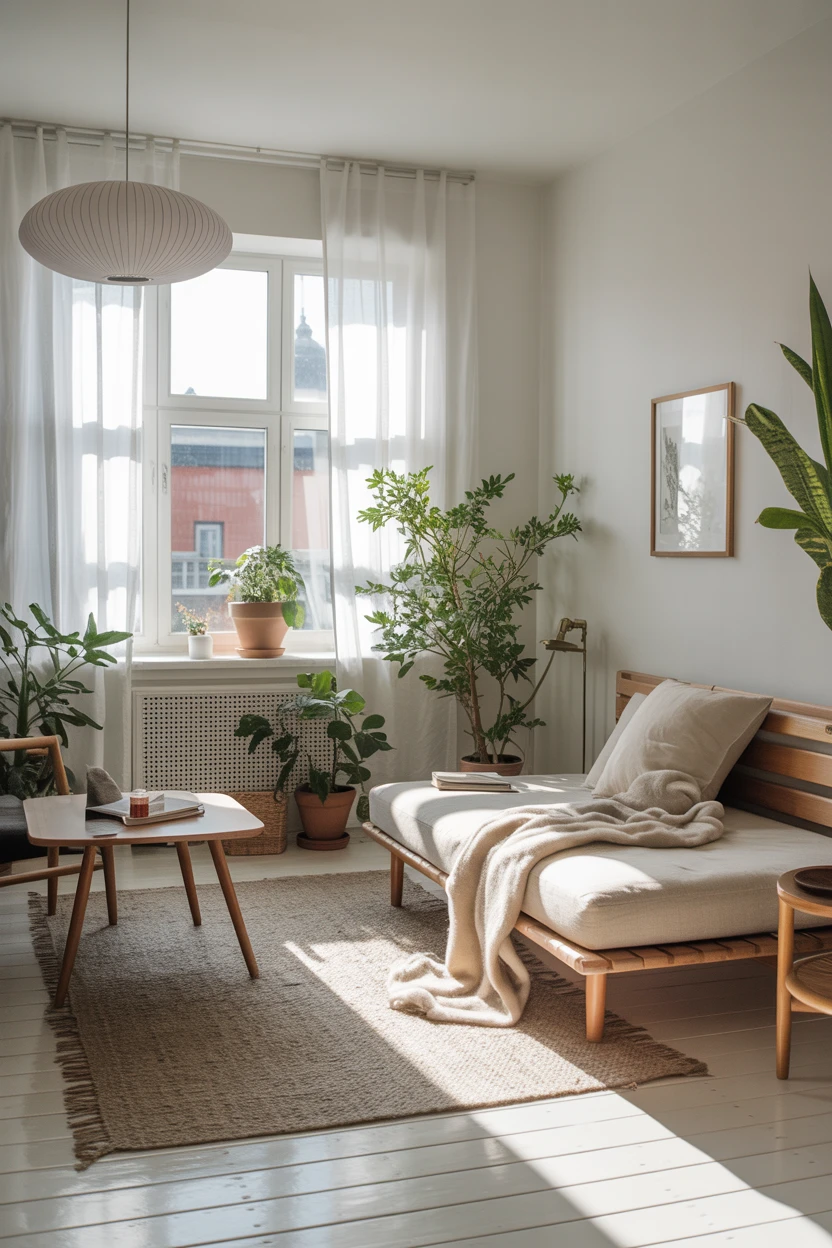
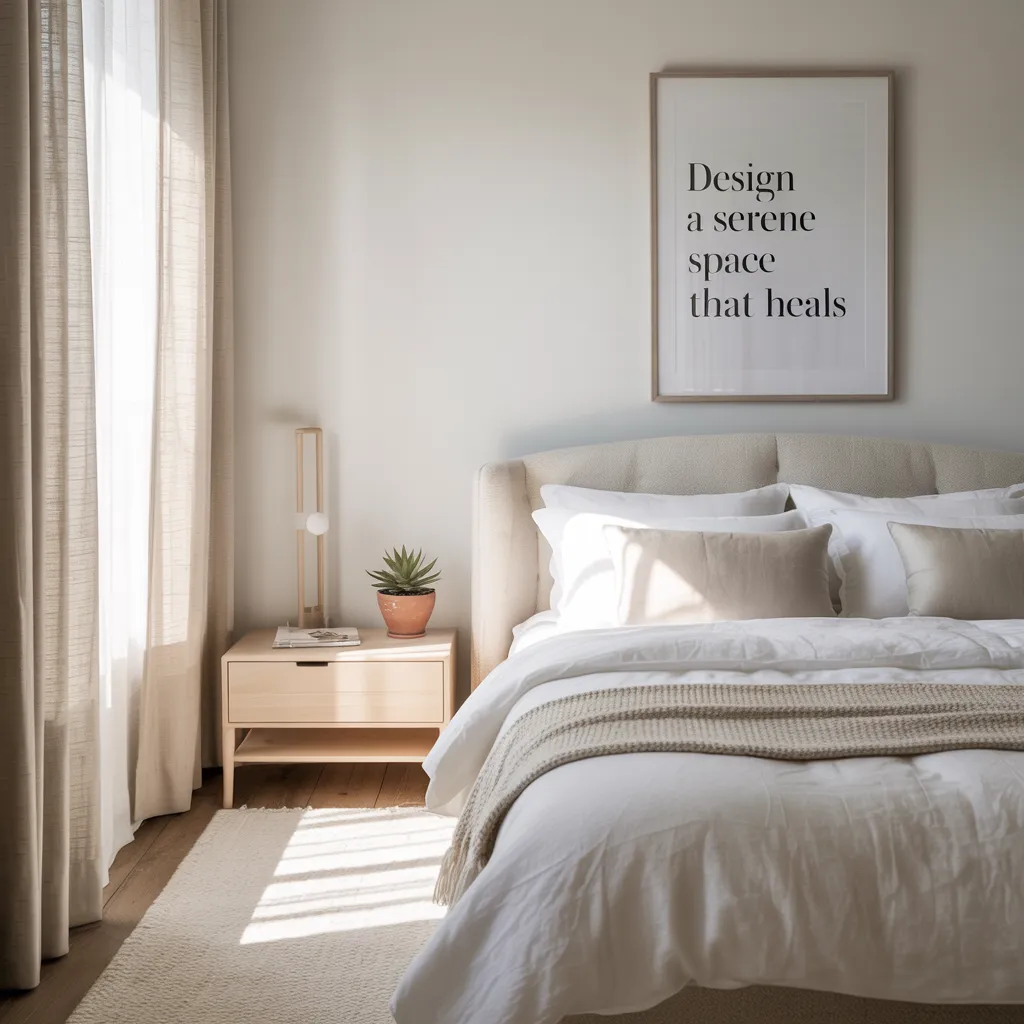
Scandinavian design transforms studios into light-filled sanctuaries that feel deceptively spacious. This style embraces "hygge"—the Danish concept of coziness—through a foundation of white walls, pale wooden floors, and strategically placed textural elements.
The furniture follows clean, simple lines with tapered legs that create visual breathing room beneath pieces. Multi-functional items, like a sleek daybed that doubles as seating or a dining table that moonlights as a desk, embody the practical Nordic mindset. Textiles introduce subtle interest through muted stripes, minimal geometric patterns, or soft heathered fabrics.
Lighting plays a crucial role, with paper pendant lamps and slim floor lamps adding sculptural interest without bulk. Natural greenery brings life to this disciplined palette, while personal items are displayed sparingly for a collected-over-time feel rather than store-bought perfection.
2. Industrial Edge
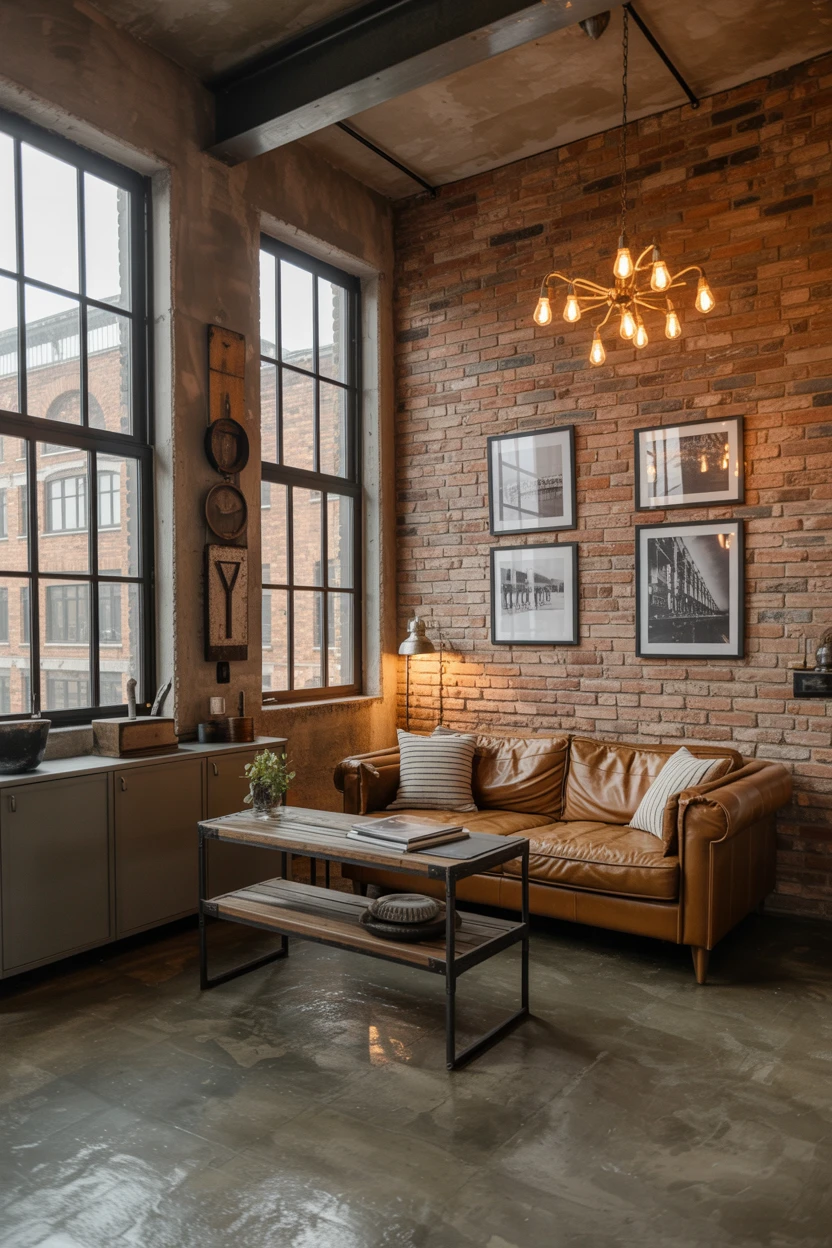
Industrial design embraces a studio's modest proportions by celebrating raw materials and architectural honesty. Exposed brick walls, concrete floors, and visible ductwork become features rather than flaws in this warehouse-inspired aesthetic.
Furniture leans masculine with reclaimed wood, distressed leather, and blackened steel creating a purposeful contrast of textures. The layout typically features an open-concept approach with a sturdy, substantial bed frame anchoring one side and a compact dining area defined by a statement pendant light overhead.
Storage solutions favor open pipe shelving and vintage metal cabinets that contribute to the utilitarian charm. Lighting fixtures showcase filament bulbs in cage-style pendants or adjustable wall-mounted options reminiscent of factory workspaces. Personal touches come through in vintage advertising signs, architectural salvage pieces, or black and white photography in simple metal frames.
3. Mid-Century Modern Studio
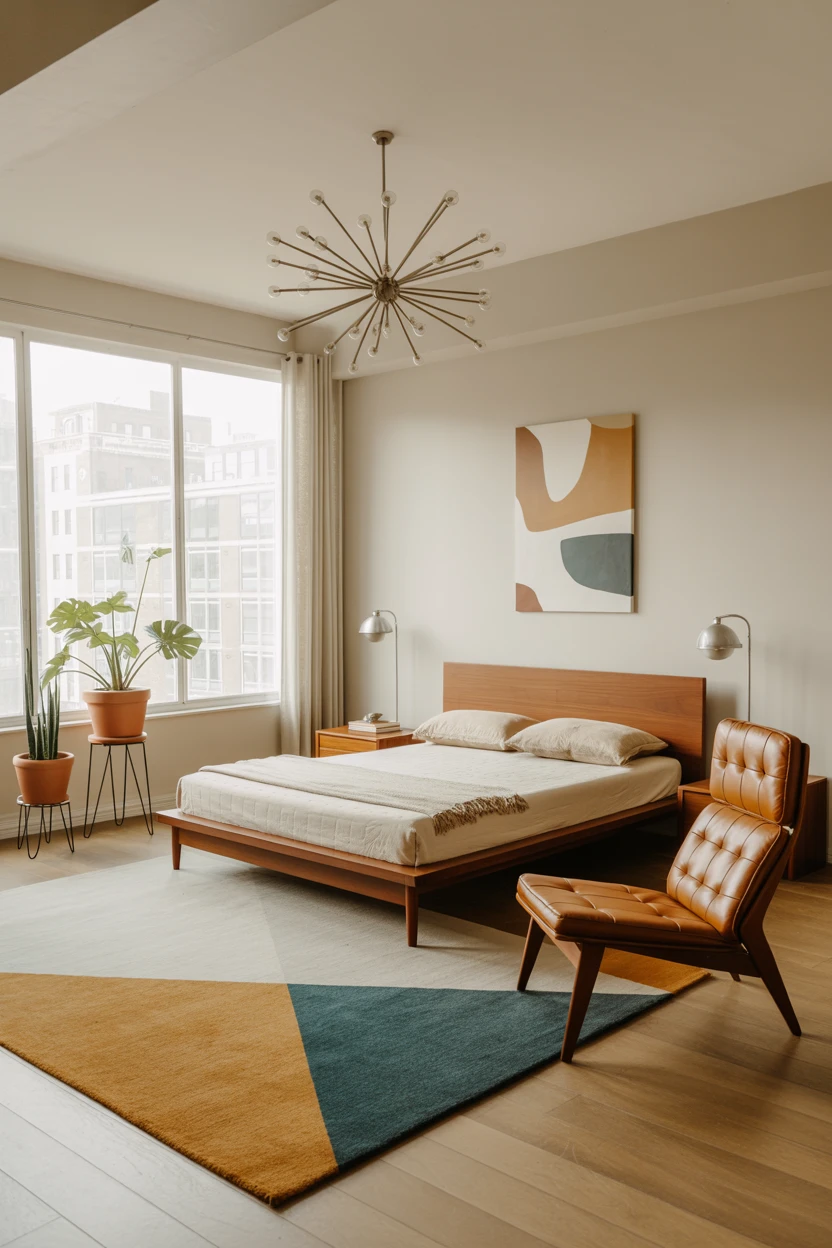
Mid-Century Modern design brings timeless sophistication to studio living through its celebration of form and function. This style's lightweight furniture with raised profiles creates an airy feeling in compact spaces, while its clever storage solutions seem tailor-made for studio constraints.
The signature walnut or teak furniture features organic curves juxtaposed against geometric frames. A classic platform bed with integrated nightstands pairs with an iconic lounge chair in cognac leather or a compact sofa in textural tweed. Distinctive lighting includes globe pendants, arc floor lamps, or geometric table lamps that double as art.
The color palette layers warm wood tones with mustard, olive, deep blue, or burnt orange accents. Atomic patterns appear sparingly in textiles or artwork, while large windows are minimally dressed to maximize natural light. Plants in ceramic or fiberglass planters with hairpin legs complete this enduring aesthetic.
4. Contemporary Minimalist
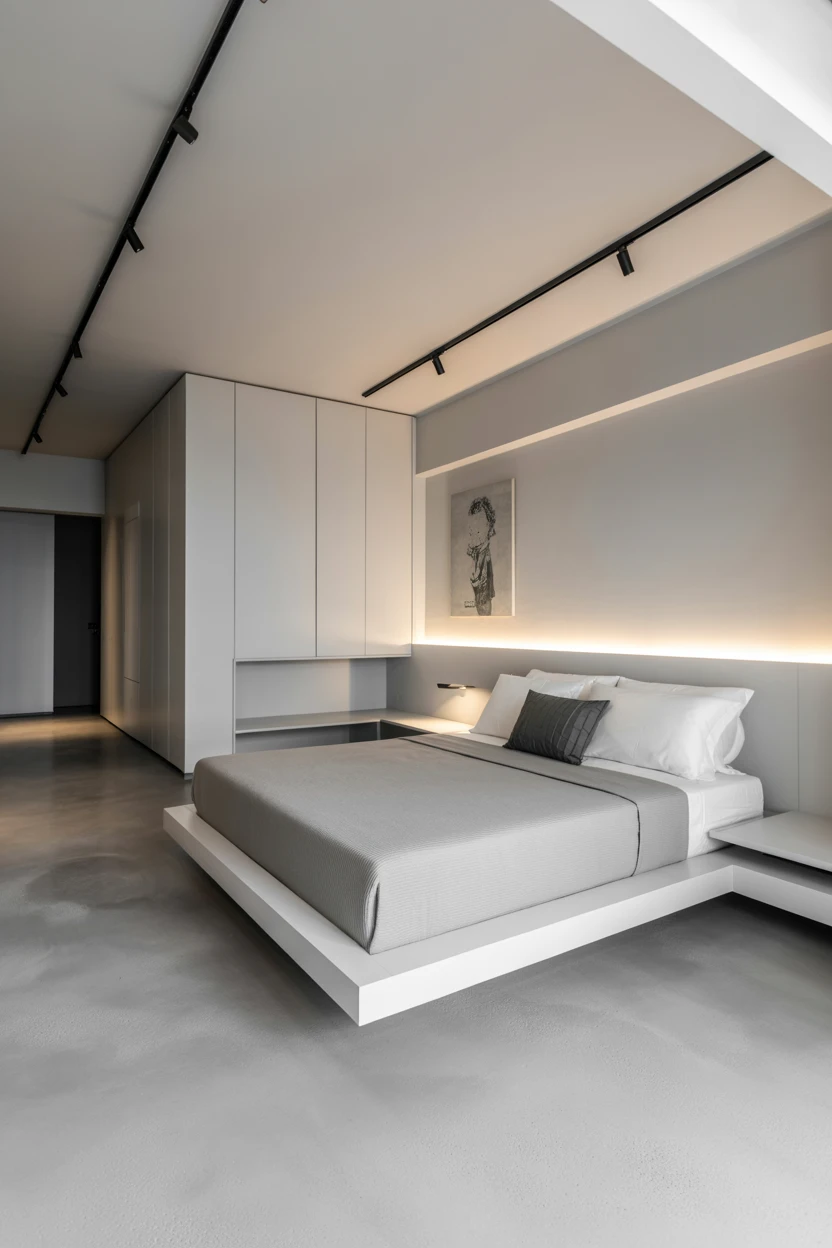
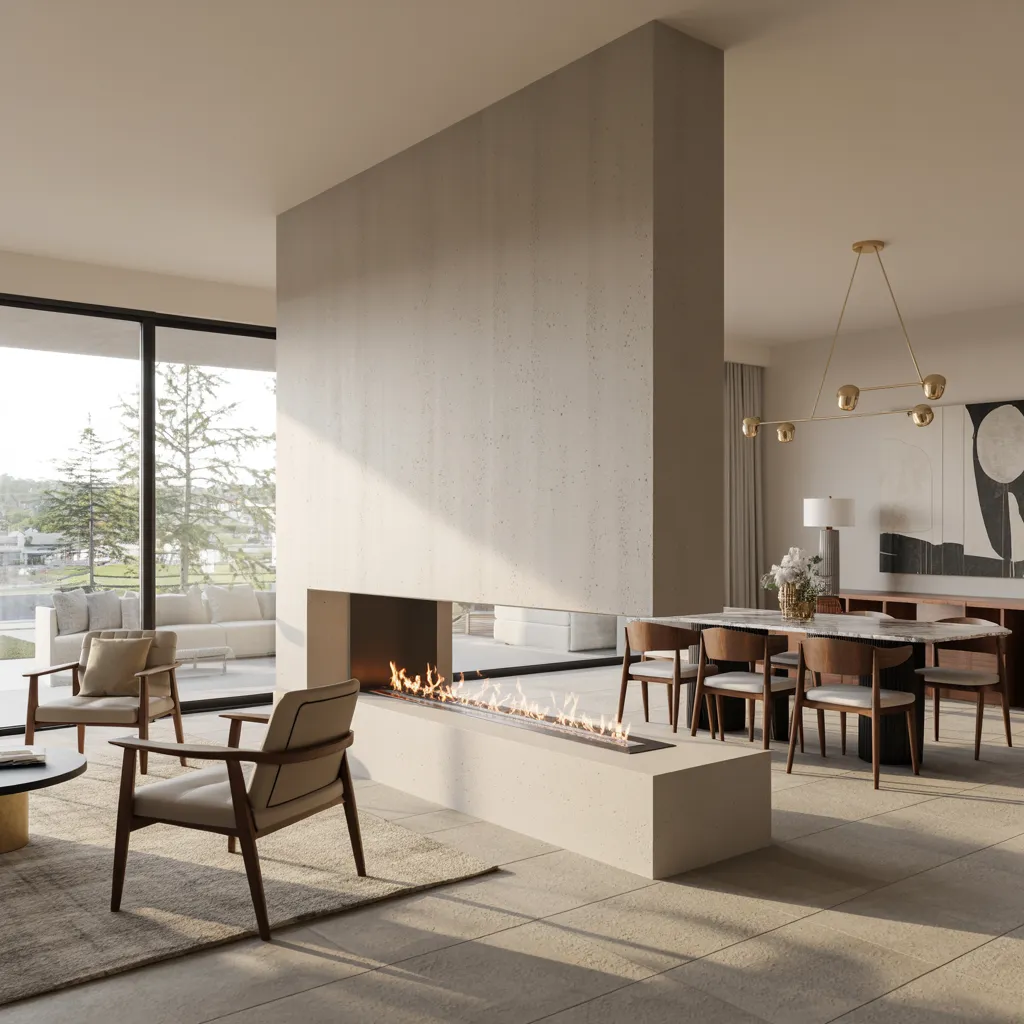
Contemporary Minimalist studios demonstrate how restraint creates visual calm in small spaces. This style is characterized by monochromatic color schemes, primarily in whites, grays, and blacks, with carefully chosen furniture that serves multiple purposes without visual clutter.
The layout embraces negative space as a design element itself, with breathing room around each piece creating a sense of luxury despite the limited square footage. Furniture features clean horizontal and vertical lines with little ornamentation, often incorporating hidden storage to maintain the sleek aesthetic.
Textural interest comes through subtle variations in materials—matte and glossy finishes, soft bouclé fabrics against smooth surfaces, or fine-grained wood against concrete. Lighting is architectural rather than decorative, with recessed spots, track lighting, or integrated LED strips providing ambient illumination. The few decorative objects are showcased as sculptural elements, given space to be appreciated individually.
5. Japandi Fusion
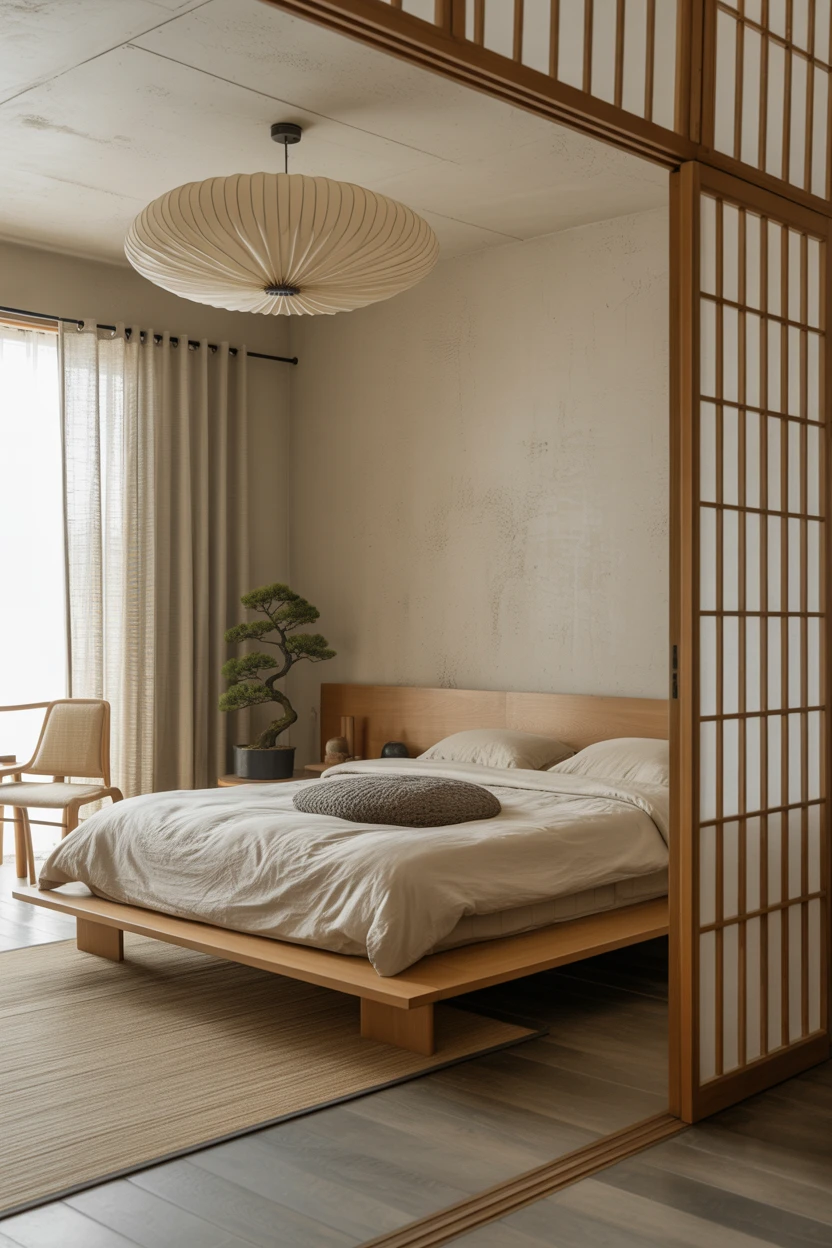
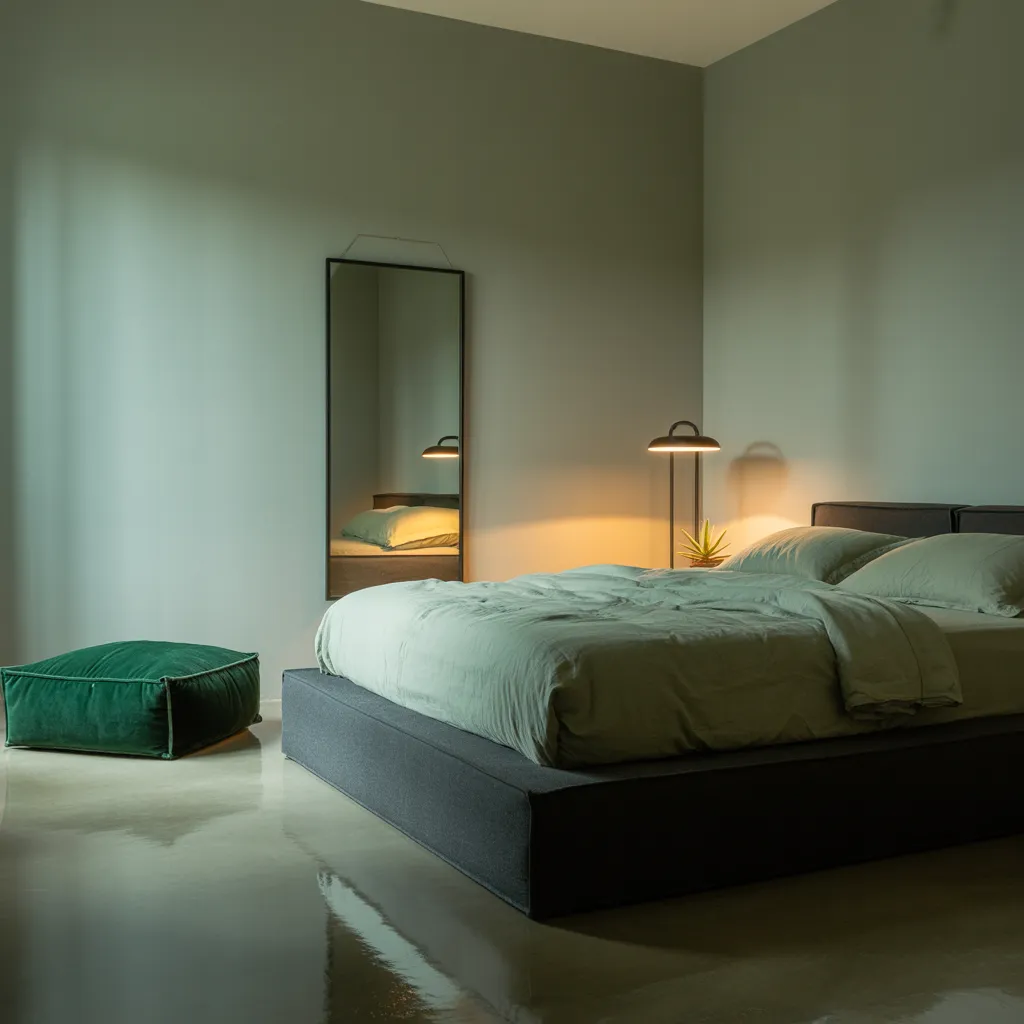
Japandi design marries Japanese wabi-sabi philosophy with Scandinavian functionality, creating serene studio spaces that feel both warm and uncluttered. This fusion style embraces imperfection through natural materials with visible knots, grain, and texture, all within a controlled neutral palette of warm whites, soft blacks, and stone grays.
Furniture sits low to the ground, with platform beds and floor cushions creating a grounded feeling while making ceilings appear higher. Storage follows the Japanese tansu tradition with stepped chests or hidden compartments, while display spaces showcase a curated selection of handcrafted ceramics or ikebana-inspired arrangements.
Textiles introduce subtle patterns inspired by both traditions—simple linen, raw cotton, or paper-like fabrics in restrained tones. Screens or translucent panels create flexible divisions without sacrificing light, while handmade paper pendants cast a gentle glow. The overall effect balances warmth and minimalism, proving that simplicity can be deeply nurturing.
6. Modern Farmhouse Studio
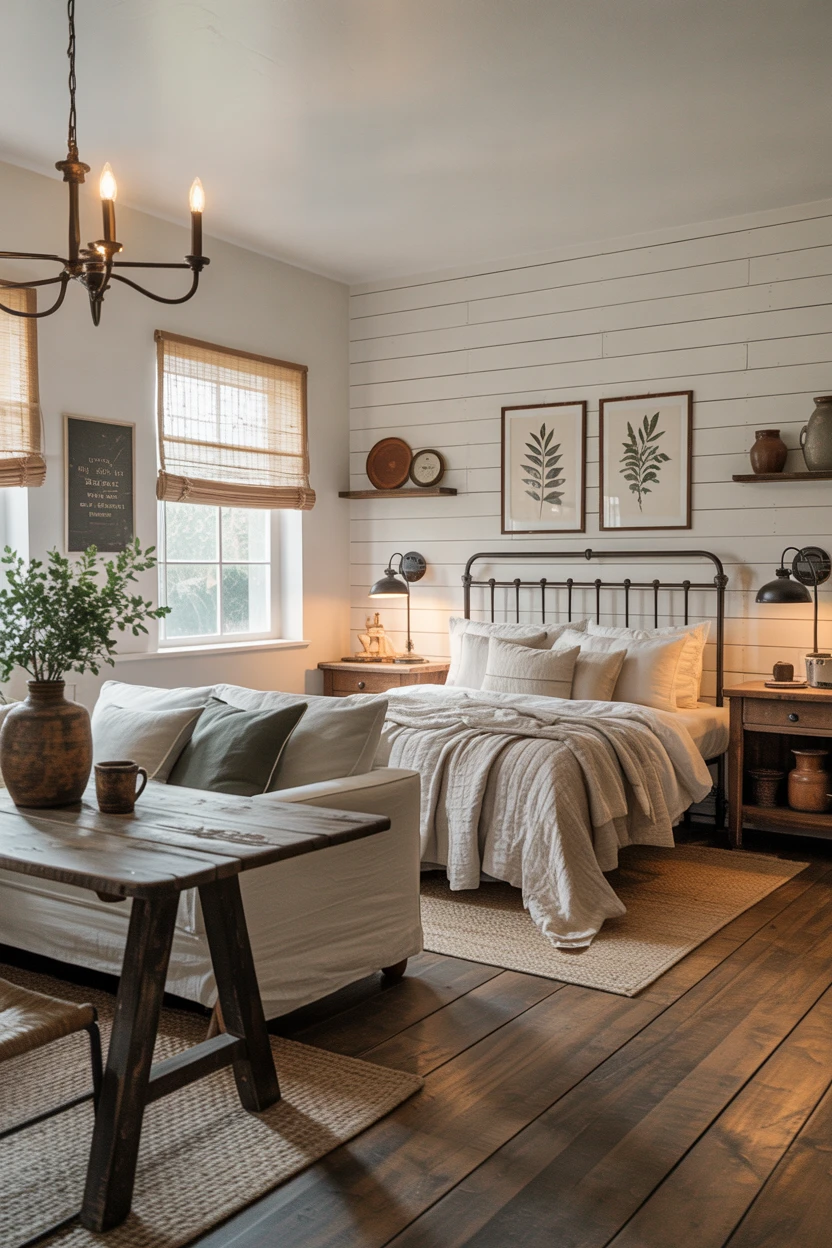
Modern Farmhouse style brings countryside warmth to urban studio living without sacrificing contemporary sensibilities. White shiplap or beadboard accent walls create architectural interest while reflecting light throughout the space, while wide-plank flooring in natural or whitewashed finishes grounds the airy palette.
Furniture blends rustic elements with modern silhouettes—a clean-lined sofa in natural linen paired with a reclaimed wood coffee table, or industrial-inspired open shelving displaying vintage crockery. The bed becomes a focal point with a simple iron frame or upholstered headboard adorned with quilted bedding and multiple textural pillows.
Lighting features black metal fixtures with clean lines rather than ornate country styles, while window treatments remain simple with cotton or linen Roman shades. Decorative elements include botanical prints, subtle gingham or ticking stripes, and carefully edited vintage finds that add character without crowding the space.
7. Classic Parisian Studio
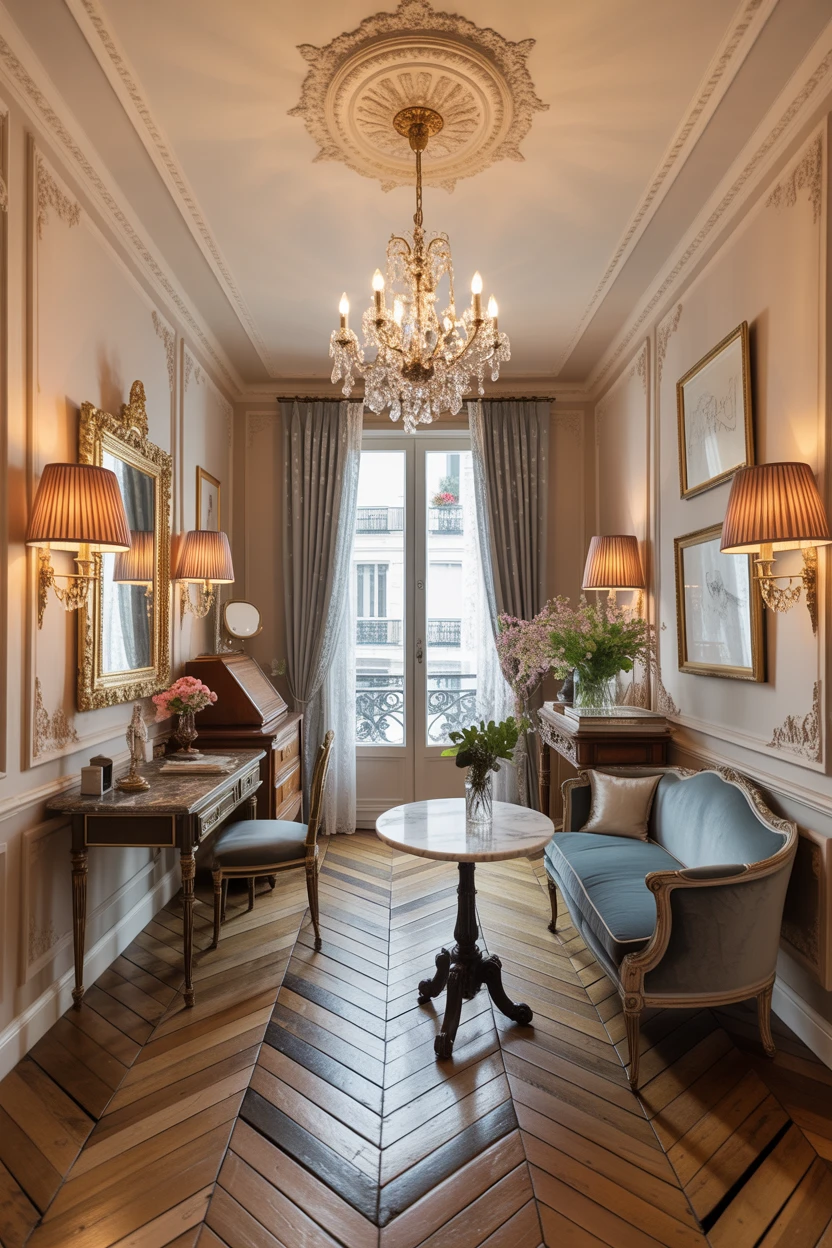
Classic Parisian studio design embraces the inherent charm of small spaces through an elegant balance of old-world details and functional necessity. Architectural features take center stage—herringbone wood floors, ornate ceiling medallions, and carved moldings painted in creamy whites that heighten small spaces.
Furniture mixes periods effortlessly, pairing antique statement pieces with streamlined modern elements. A curved settee might nestle beside a marble-topped bistro table, while a vintage secretary desk serves as both workspace and storage. The sleeping area often features a daybed with tailored bedding that transitions from night to day use.
Lighting creates ambiance through wall sconces with pleated shades and crystal chandeliers scaled appropriately for intimate spaces. The color palette remains sophisticated with ivory, gray-blue, and gold accents, while textiles introduce subtle luxury through velvet pillows or silk drapery. Personal touches come through framed sketches, vintage mirrors, and carefully chosen books that reflect the cultured Parisian lifestyle.
8. Mediterranean Warmth
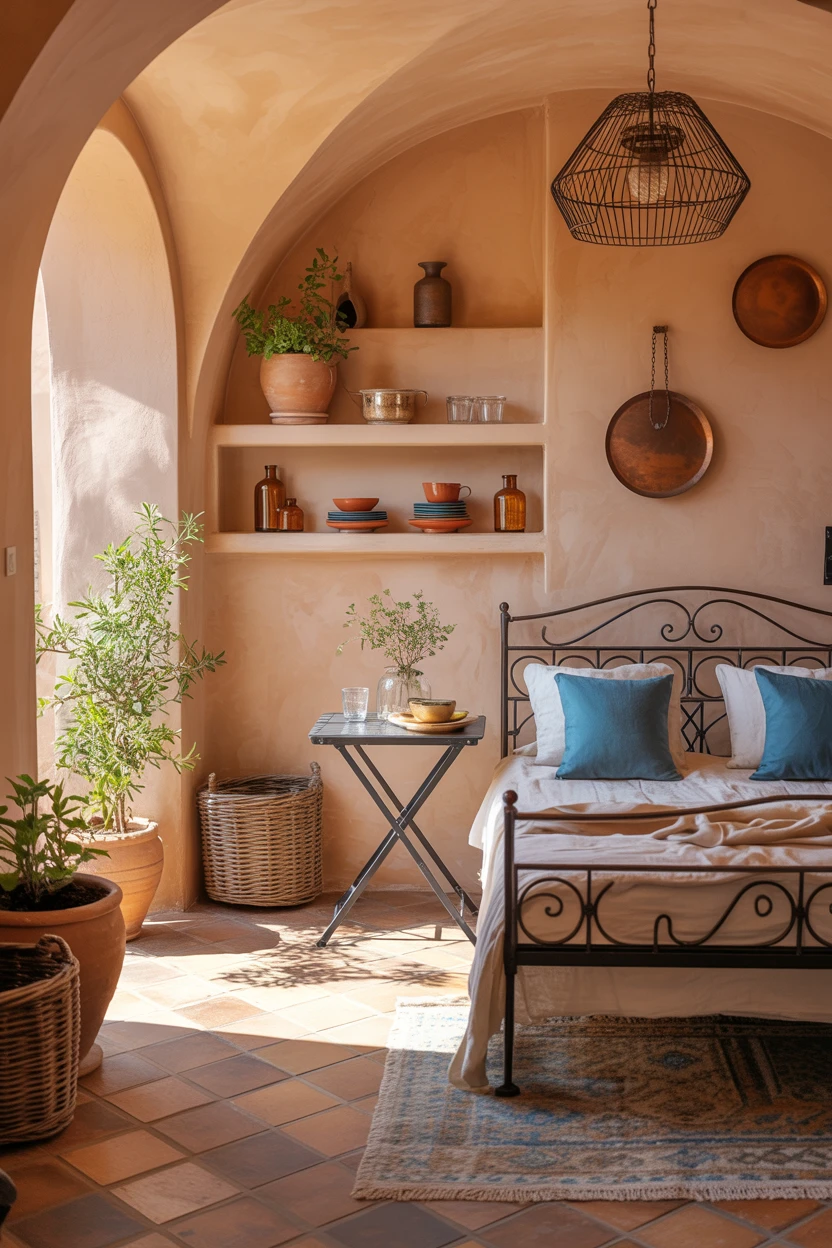
Who says studio apartments can't transport you to the sun-drenched coasts of Italy or Greece? Mediterranean-inspired studios embrace rich textures and vibrant contrasts that wake up small spaces. Think terracotta tile floors topped with a faded vintage rug, walls finished in textured plaster or color-washed in warm neutrals, and that signature azure blue appearing in ceramics and textiles.
A wrought iron bed or daybed topped with rumpled linen becomes the anchor, while a small bistro table creates the perfect spot for morning espresso. Cooking areas shine with hanging copper pots and open shelving displaying colorful ceramics. Finish with terracotta planters bursting with herbs, woven baskets, and amber glass accents to create your personal Mediterranean escape.
9. Moroccan Jewel Box
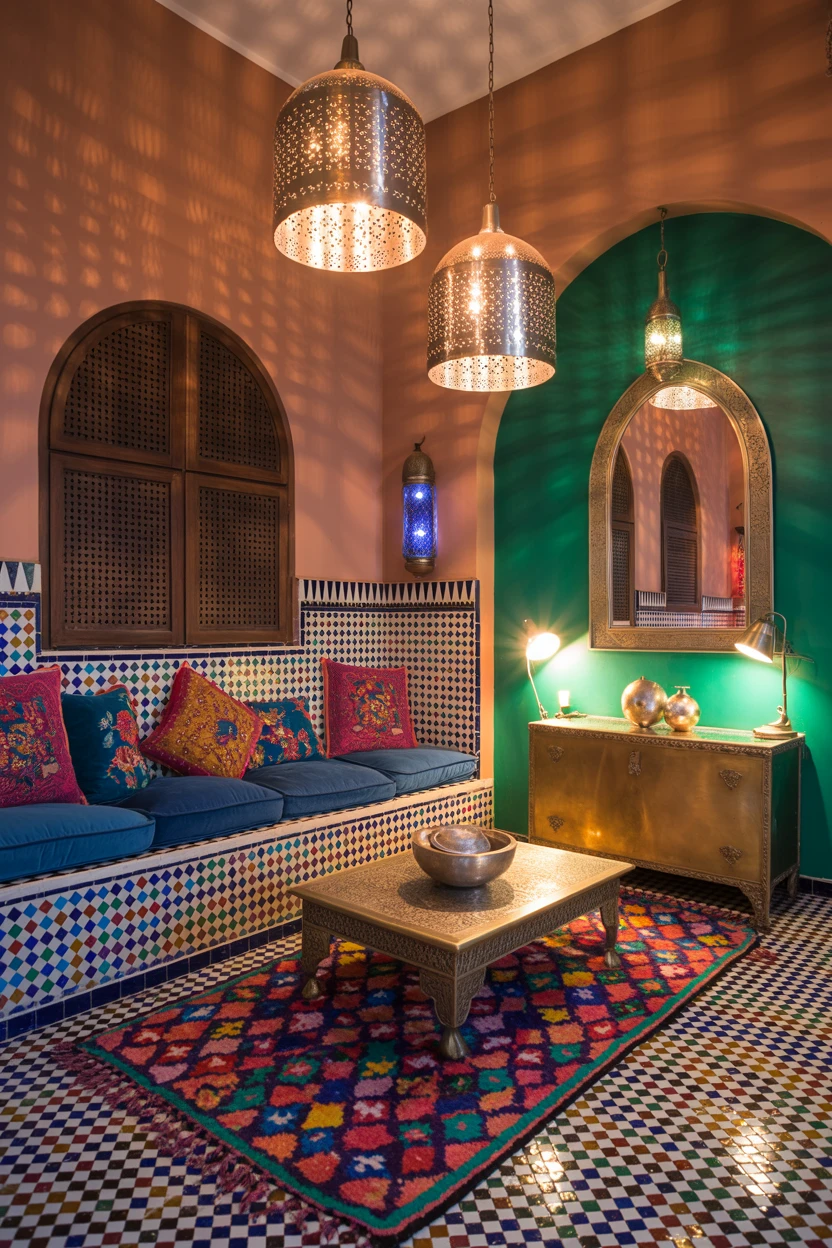
A Moroccan-inspired studio treats small spaces as precious jewel boxes where every surface offers visual delight. This approach layers pattern upon pattern—geometric zellige tiles in the kitchen, a jewel-toned Berber rug underfoot, and embroidered textiles adorning seating areas—creating spaces that feel rich rather than cramped.
Lighting creates magic through pierced metal pendants casting constellation-like patterns across walls. Low seating with plush cushions maximizes the feeling of space above while offering comfort below. Storage comes in the form of brass-accented wooden chests or carved cabinets that double as art pieces. Deep jewel tones of emerald, sapphire, and ruby create intimate spaces, while strategically placed mirrors multiply light. It's a style that embraces coziness and turns it into a sensory experience.
10. California Casual
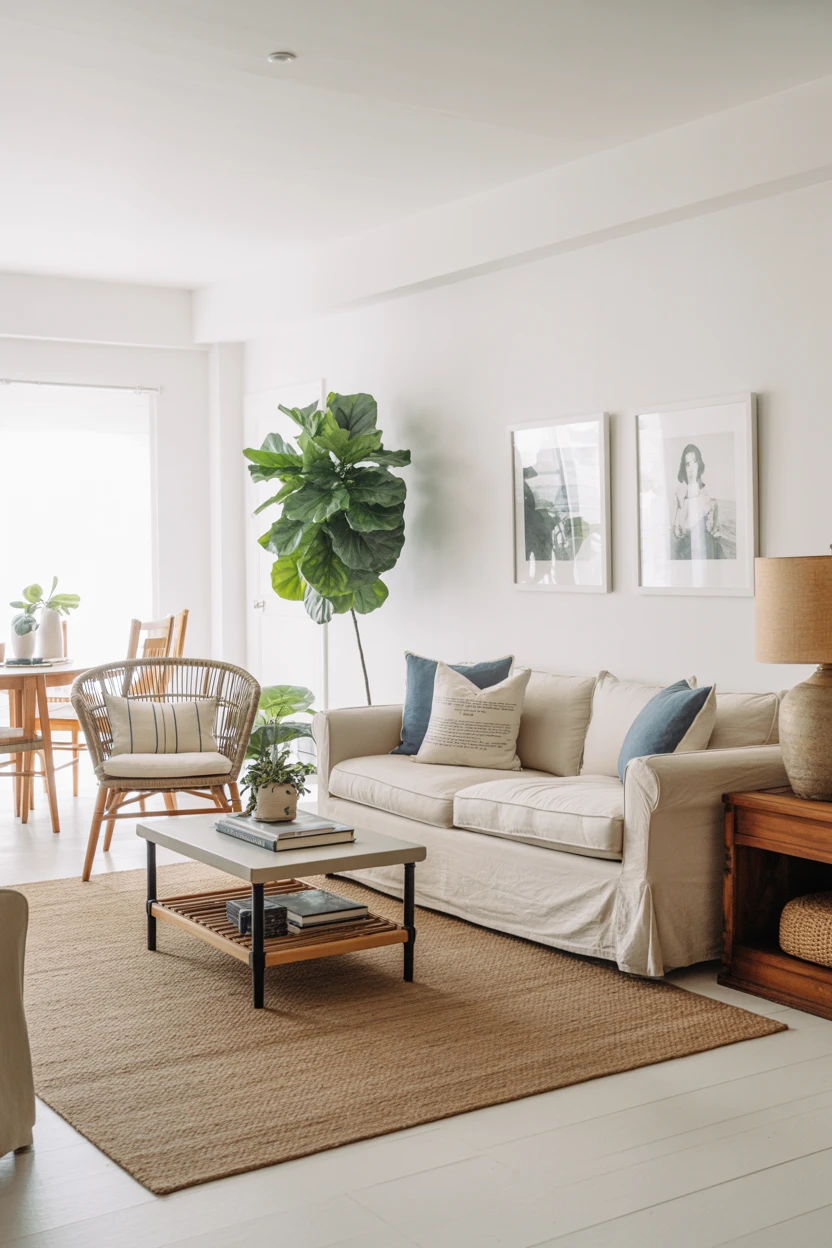
California Casual brings breathable, effortless style to studio living. This laid-back aesthetic embraces negative space with a "less is more" approach that feels perfectly suited to compact living. The palette draws from beach tones—sandy neutrals, soft whites, and gentle blues—creating a perpetually sunny atmosphere.
Furniture remains low-profile and comfortable with slipcover sofas in rumpled linen, rattan accent pieces, and natural wood finishes. Wall decor is minimal, often featuring black and white photography or abstract art in simple frames. The style's signature indoor plants become architectural elements, drawing the eye up with fiddle leaf figs or trailing plants that soften corners. Lighting stays simple with ceramic bases or woven pendants, while textiles introduce subtle texture through cotton and linen rather than bold patterns.
11. Wabi-Sabi Japanese
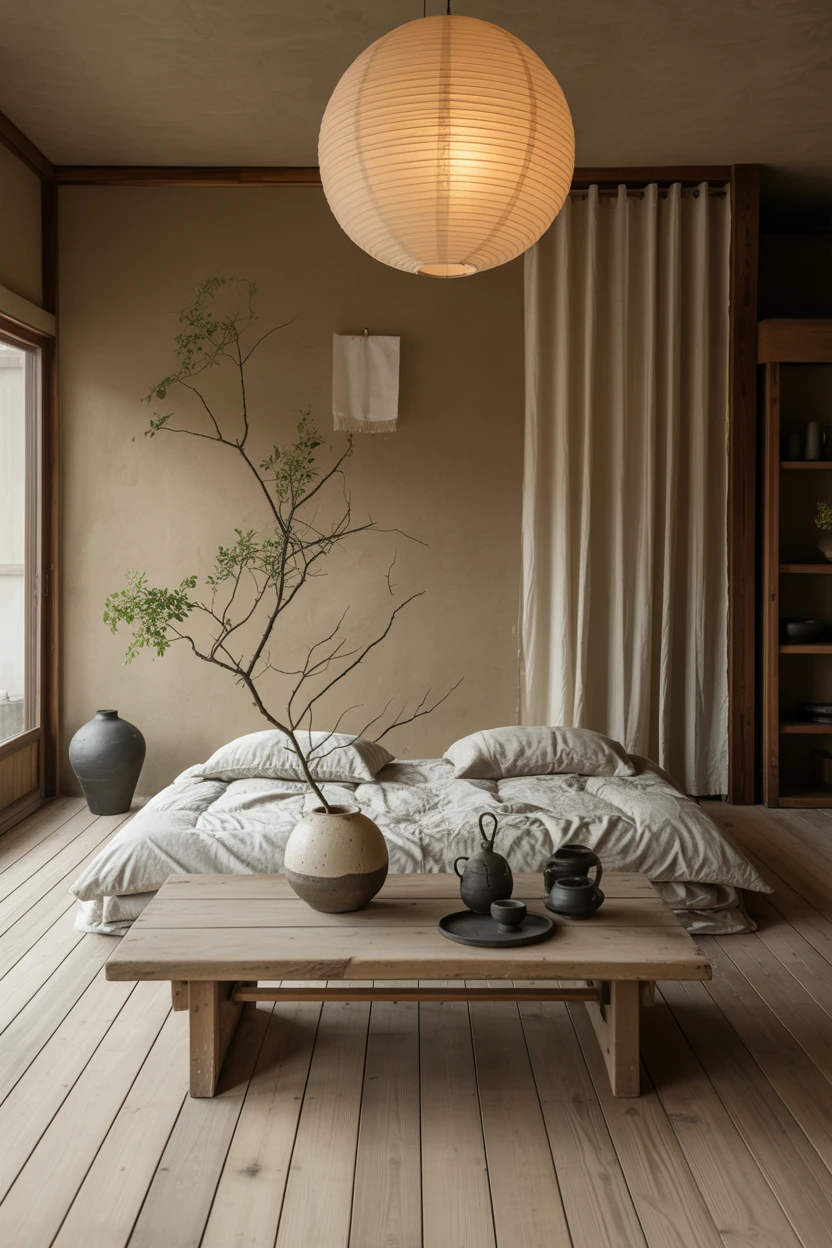
Wabi-sabi design brings a sense of calm to studio living by celebrating imperfection and transience. This distinctly Japanese approach values patina over polish, creating spaces that feel evolved rather than decorated. Natural materials dominate—unfinished woods, hand-thrown ceramics, and stone elements—all in a muted palette of grays, browns, and matte blacks.
Furniture remains minimal with low-profile pieces that often serve multiple functions. A futon or shikibuton can be stored during the day, while floor cushions create flexible seating. Storage follows traditional tansu designs with efficient compartments that eliminate visual clutter. Textiles feature natural fibers with subtle irregularities—raw silk, handwoven cotton, or naturally dyed linen. Plants are chosen for their sculptural qualities, often displayed in asymmetrical arrangements that feel artful yet uncontrived.
12. Tropical Modernism
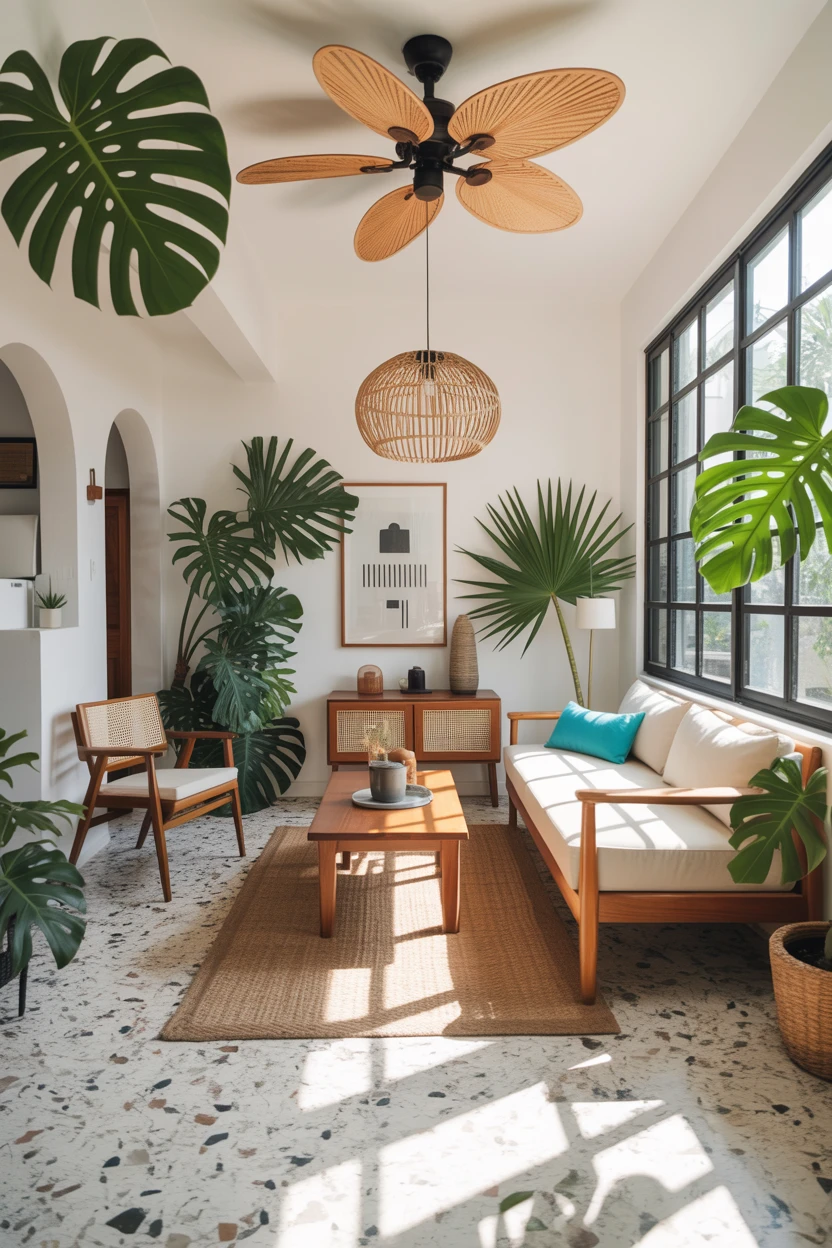
Tropical Modernism marries clean architectural lines with lush natural elements—perfect for studios that need both discipline and warmth. This style balances minimalist structure with organic exuberance through white walls and concrete or terrazzo floors that set the stage for statement-making greenery.
Furniture follows simple geometric forms, often in natural materials like teak or rattan but with contemporary silhouettes. The color palette contrasts bright whites with deep greens and occasional pops of coral, yellow, or turquoise inspired by tropical flowers. Oversized leaves from monstera, palm, or banana plants become living sculpture, while ceiling fans with wood blades circulate air and add rhythmic movement. Textiles remain simple with natural fibers and minimal patterns, allowing the interplay of light, shadow, and foliage to provide visual interest.
13. British Eclectic
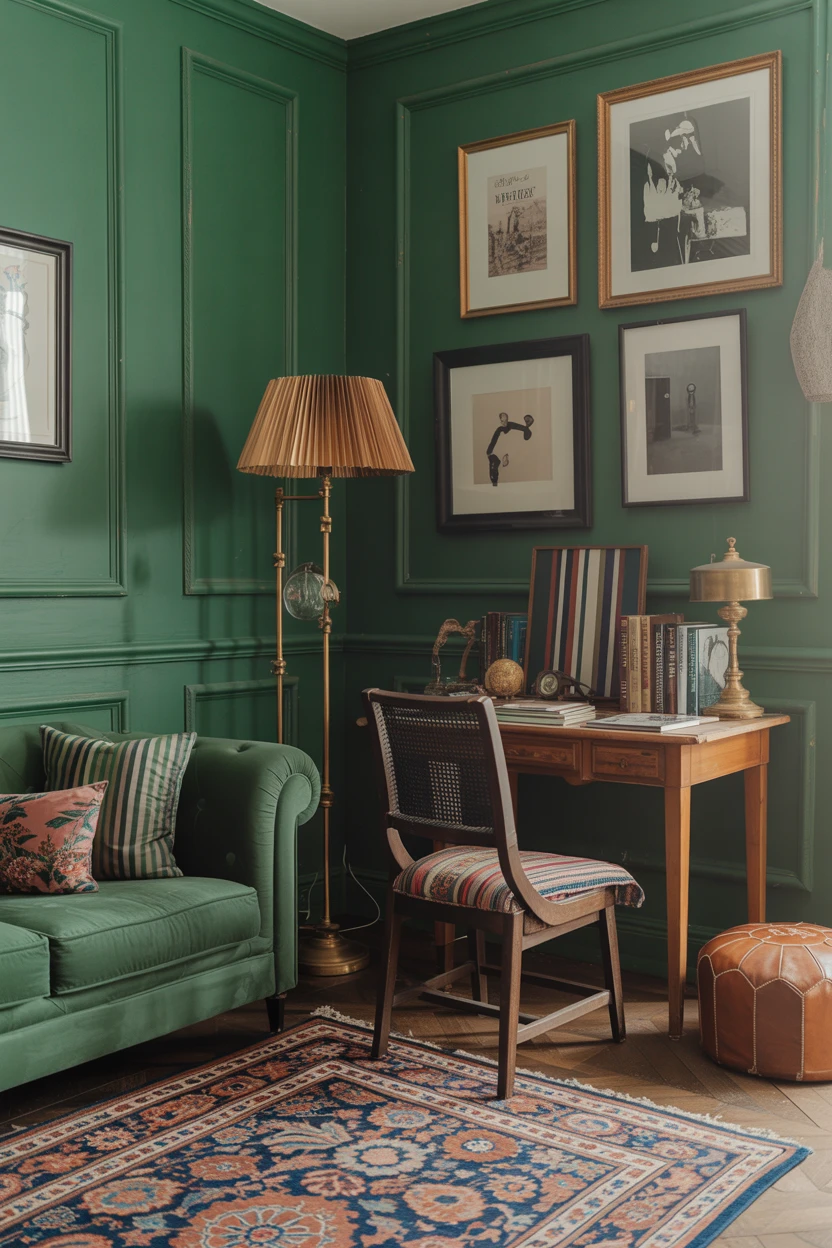
British Eclectic style turns studio constraints into charm through its celebration of collected objects and comfortable imperfection. This approach embraces the tension between formal and casual elements—pairing antique furniture with modern art, or traditional patterns with unexpected color combinations.
Deep, rich wall colors—from racing green to burgundy—make small spaces feel like jewel boxes, while traditional moldings add architectural interest. Furniture mixes periods fearlessly, perhaps featuring a roll-arm sofa in velvet alongside mid-century side tables. Pattern mixing is key, with floral prints, stripes, and checks coexisting in a controlled palette. Lighting creates ambiance through brass lamps with pleated shades or vintage chandeliers scaled for small spaces. Books and collections are displayed proudly, creating a space that feels inherited rather than purchased.
14. Balinese Retreat
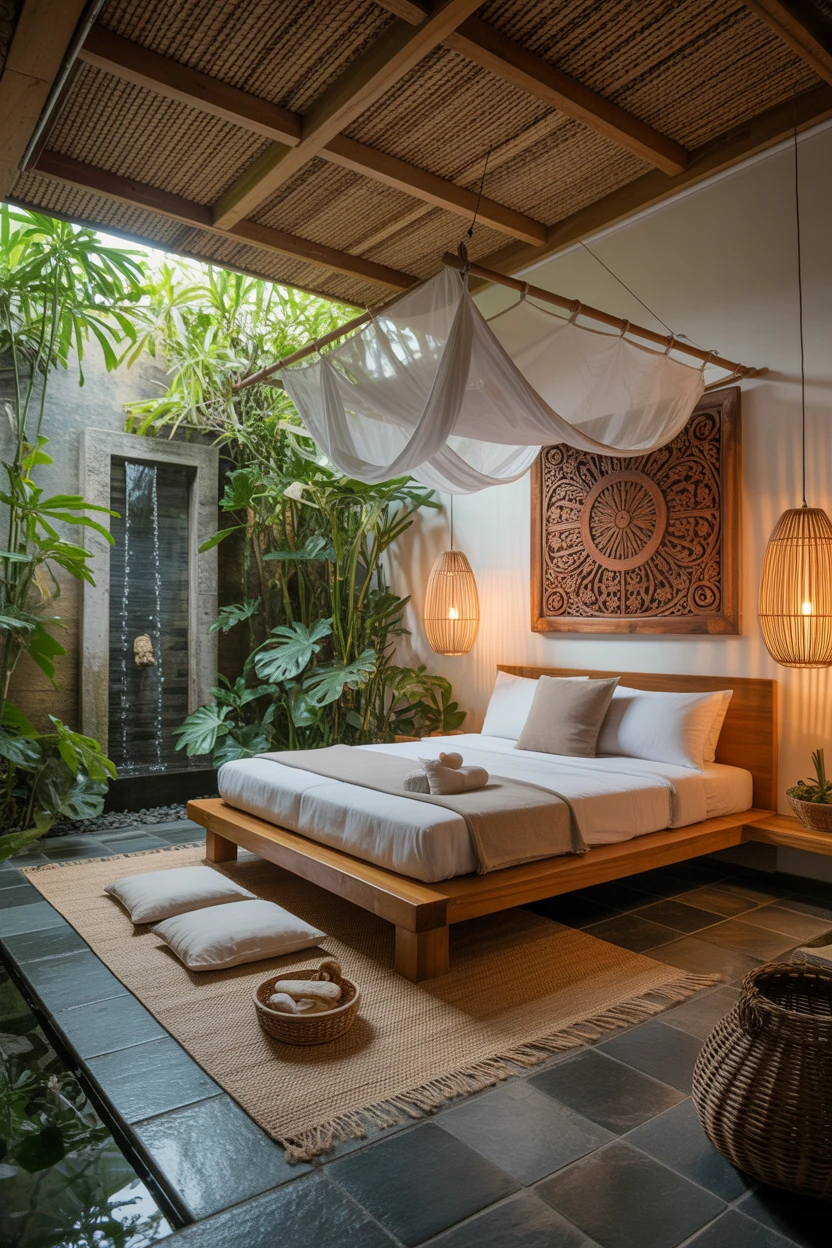
Balinese-inspired studios transform urban boxes into tranquil sanctuaries through a harmonious blend of natural elements and mindful design. This style creates an immediate sense of calm through a nature-derived palette of stone grays, warm woods, and leafy greens.
Platform beds with simple cotton canopies become serene focal points, while low-slung seating encourages relaxation. Natural materials dominate—teak furniture with simple lines, stone countertops or accessories, and handwoven baskets for storage. Indoor-outdoor flow is created even without exterior access through strategically placed plants, natural ventilation, and materials that reference the outdoors. Lighting remains soft and ambient with paper lanterns or bamboo pendants, while textiles feature subtle natural patterns in neutral tones. Ritual elements like a simple meditation corner or tea preparation area add purposeful tranquility.
Color & Material Approaches
15. Color-Drenched Monochrome
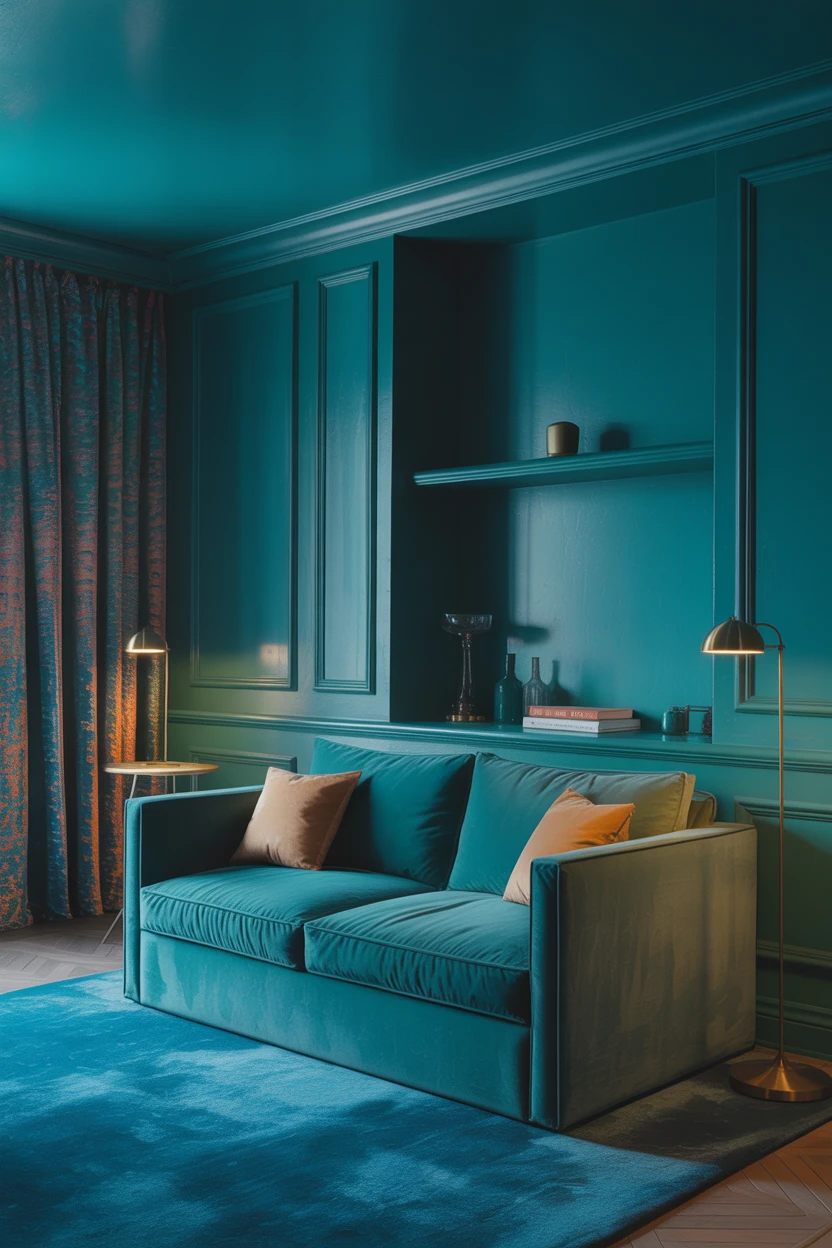
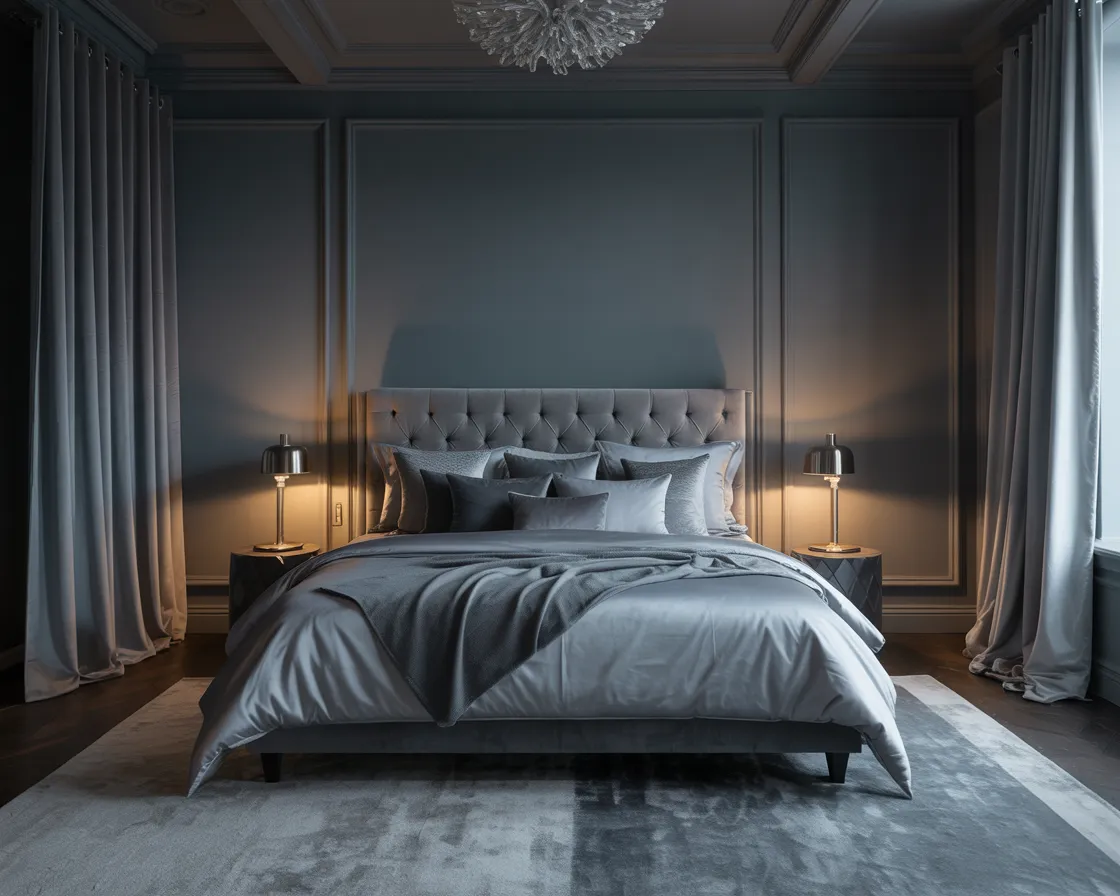
Ever considered painting everything—walls, trim, ceiling, even furniture—in one bold hue? Color-drenching is having a major moment in studio apartments because it creates a cocoon-like feeling that's both dramatic and oddly spacious. Without visual breaks between surfaces, your eye travels continuously, making the space feel larger.
Go for rich, complex colors like aubergine, forest green, or navy that shift throughout the day with changing light. Keep things interesting by playing with finish variations—perhaps matte walls with semi-gloss trim in the identical color. Introduce subtle texture through velvet, linen, or bouclé in similar tones. The result is surprisingly sophisticated, especially when punctuated with a few contrasting accessories. It's a bold move that pays off in personality and visual coherence—perfect for a tiny space with big character!
16. Neutral Textures
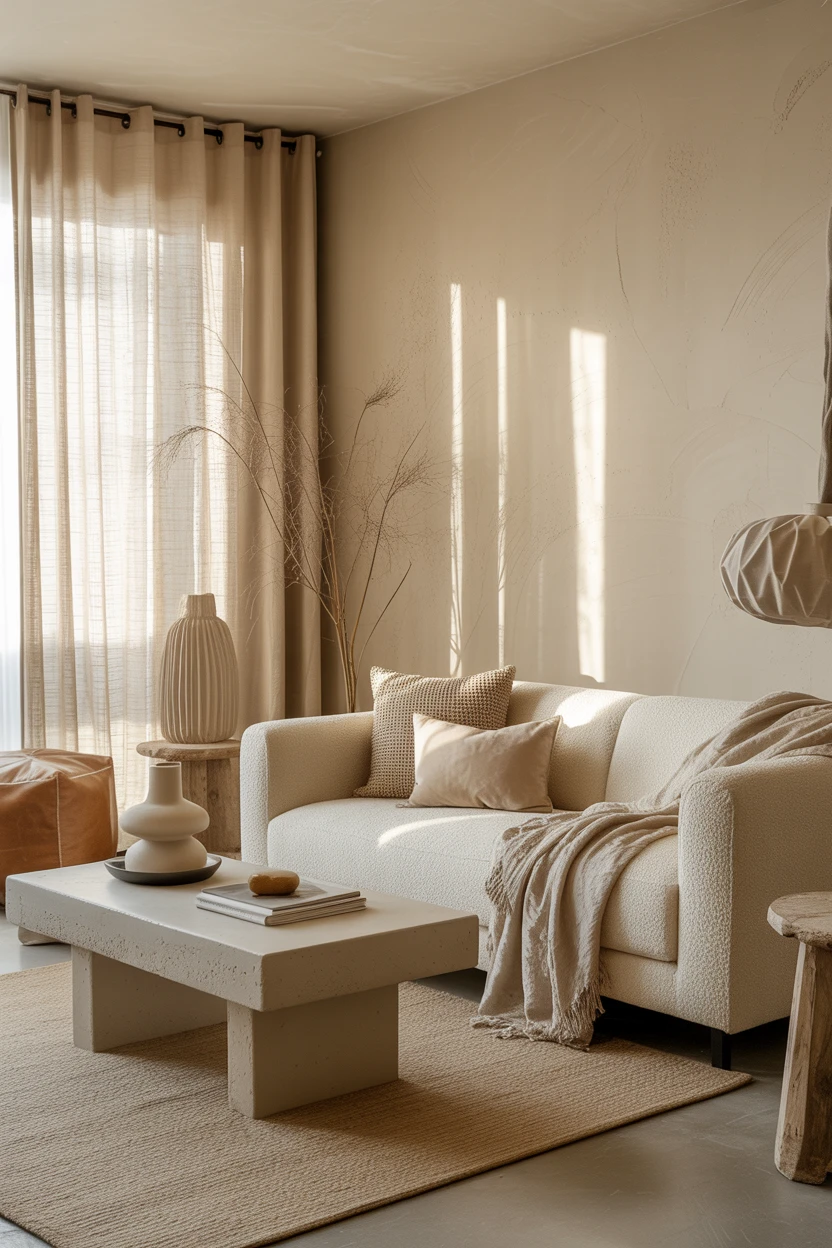
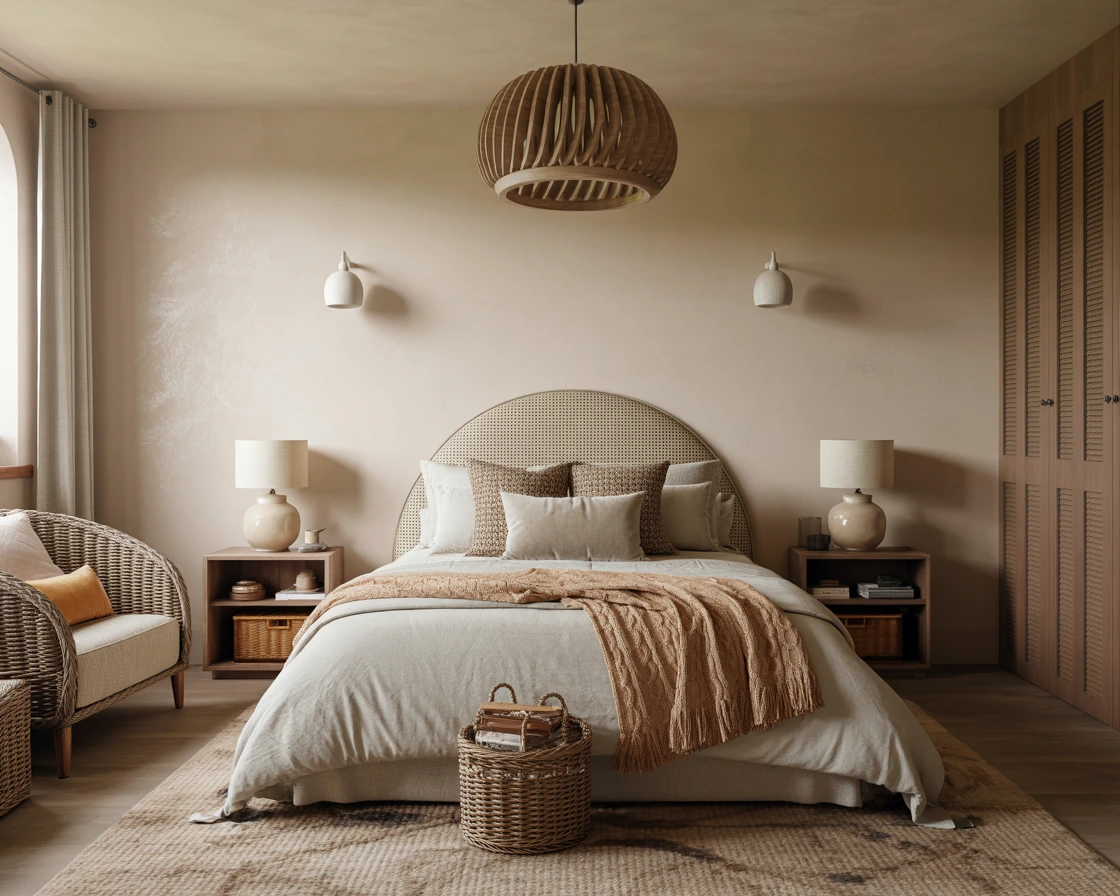
Who says neutral has to be boring? This approach creates richness through layered textures rather than color, perfect for tiny spaces where visual calm is the goal. Think of it as creating depth through touch rather than sight—smooth concrete against nubby linen, rough-hewn wood alongside polished stone.
The restricted palette—ivory, oatmeal, greige, and soft browns—creates a seamless envelope that makes small spaces feel intentional rather than limited. The key is maxing out textural contrast: chunky knit throws against sleek leather, paper-thin ceramics atop grainy wood tables. Even walls contribute through textured plaster, grasscloth, or soft wool upholstery. Lighting becomes crucial for highlighting these subtle variations, with directional spots creating shadows that enhance dimensional elements. It's minimalism with maximum tactile appeal!
17. Tonal Color Story
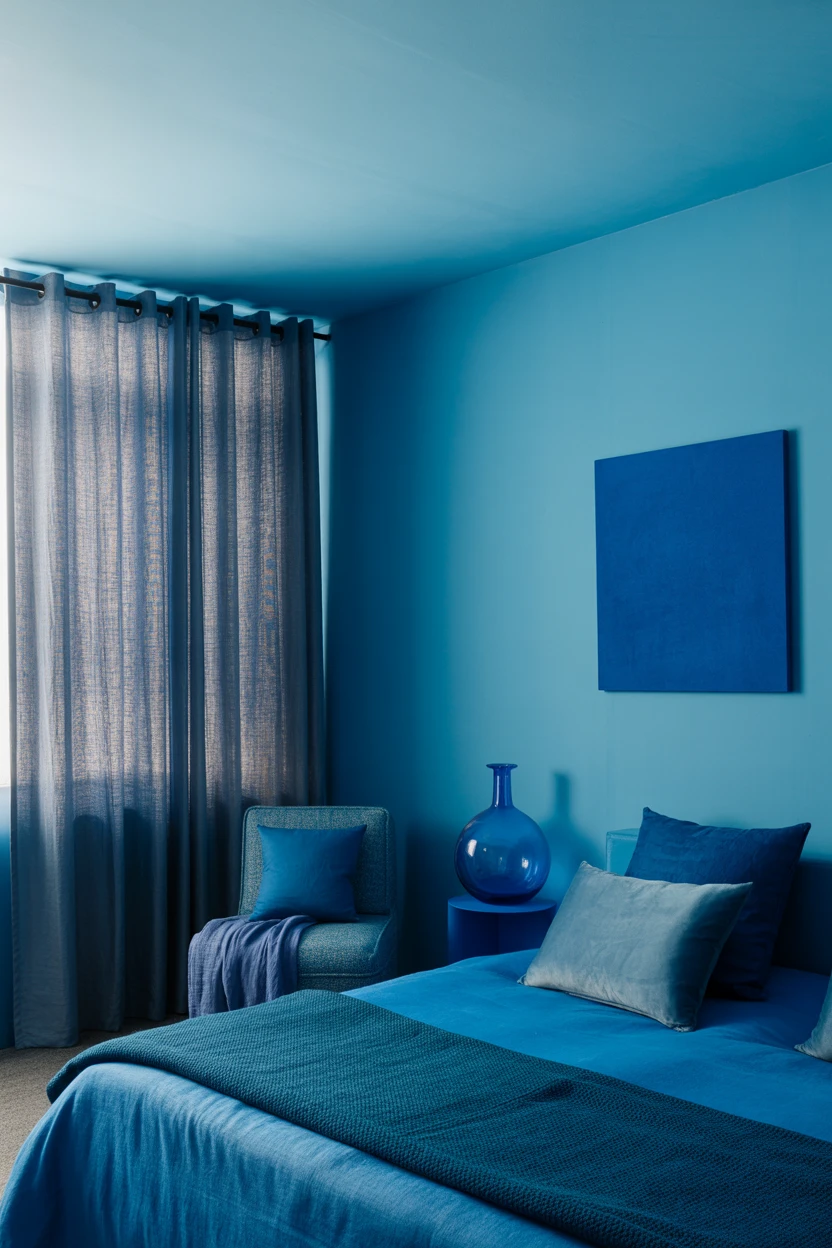
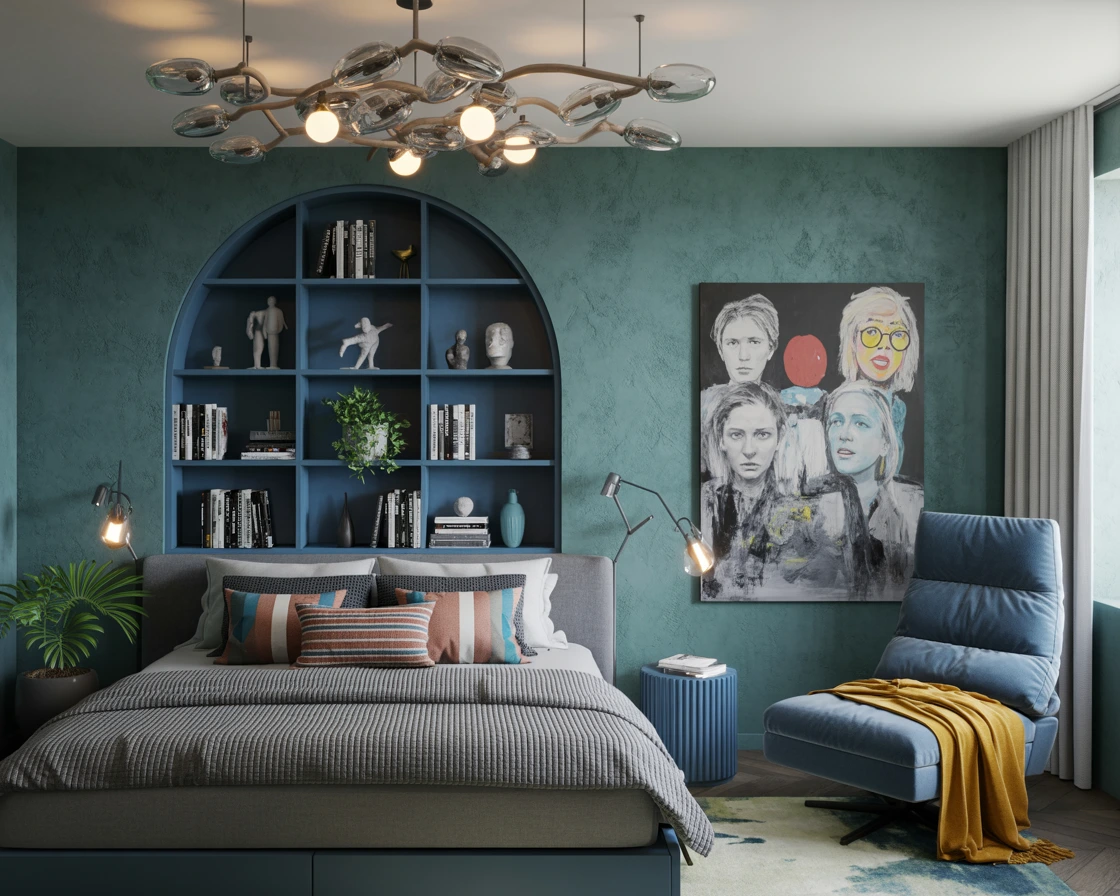
Can't commit to a single color but want to avoid visual chaos? A tonal approach gives you the best of both worlds, using variations of one color family to create depth without overwhelming your studio. Start with your favorite hue—say, blue—then build a scheme using everything from pale sky to inky navy, with plenty of mid-tones in between.
The magic happens when you arrange these tones strategically, perhaps with darker colors grounding larger pieces and lighter shades lifting the ceiling. This approach works beautifully with both cool tones (blues, greens) and warm ones (terracottas, yellows). Add interest by mixing materials within your chosen palette—glass, fabric, painted surfaces—each reflecting light differently. The result feels curated rather than matching, with a sophisticated ombré effect that's both calming and visually intriguing.
18. Black & White Drama
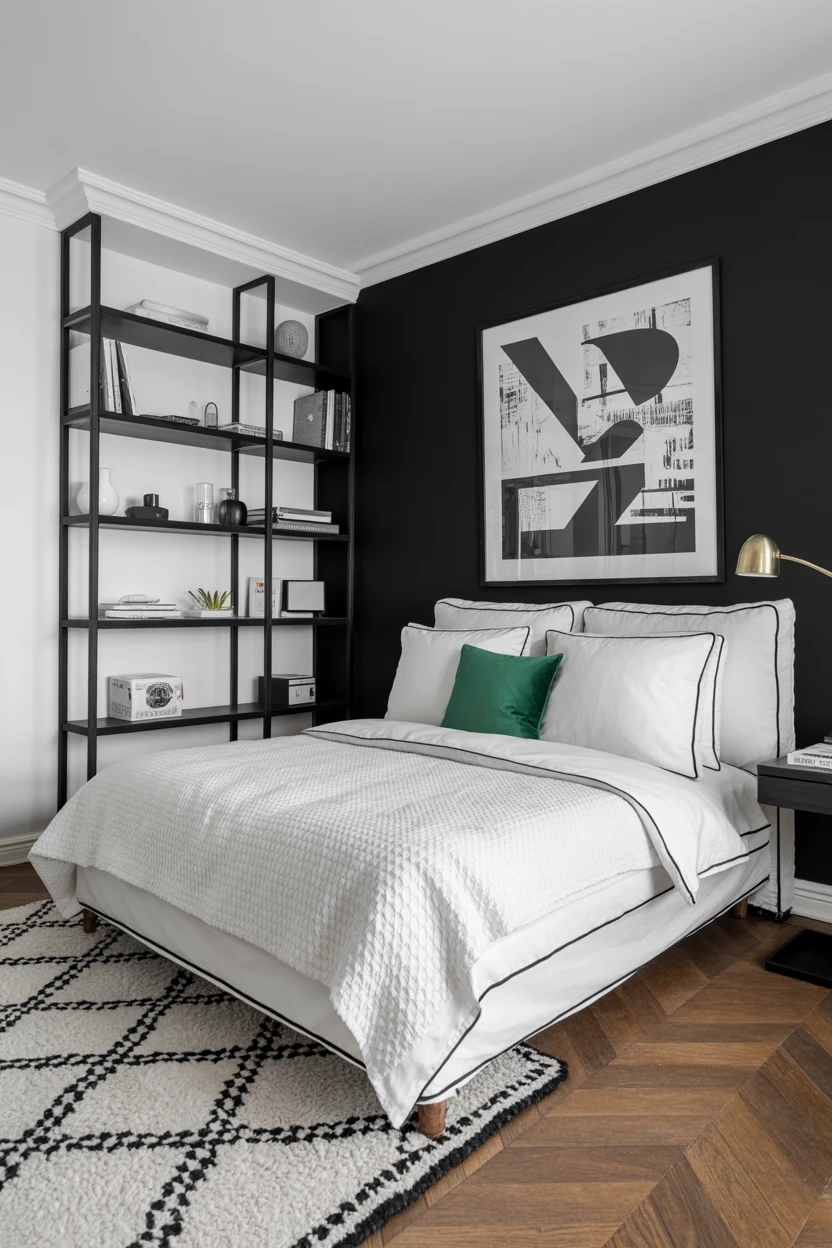
Nothing clarifies a small space like the ultimate graphic statement: black and white. This high-contrast approach brings architectural definition to studios, emphasizing good bones while creating visual excitement without color chaos. It's surprisingly versatile—tilting modern when kept minimal, traditional when paired with classic elements, or eclectic when mixed with vintage finds.
The trick is balancing your darks and lights thoughtfully. An all-white envelope with punctuations of black creates an airy feeling with definition, while significant black elements (like a wall or large furniture pieces) add drama and coziness. Introduce subtle texture through materials like bouclé, linen, or ribbed wood to prevent the look from feeling flat. For livability, consider adding just one accent color—perhaps ochre or emerald—as a repeating note that wakes up the monochrome palette.
19. Natural Material Focus
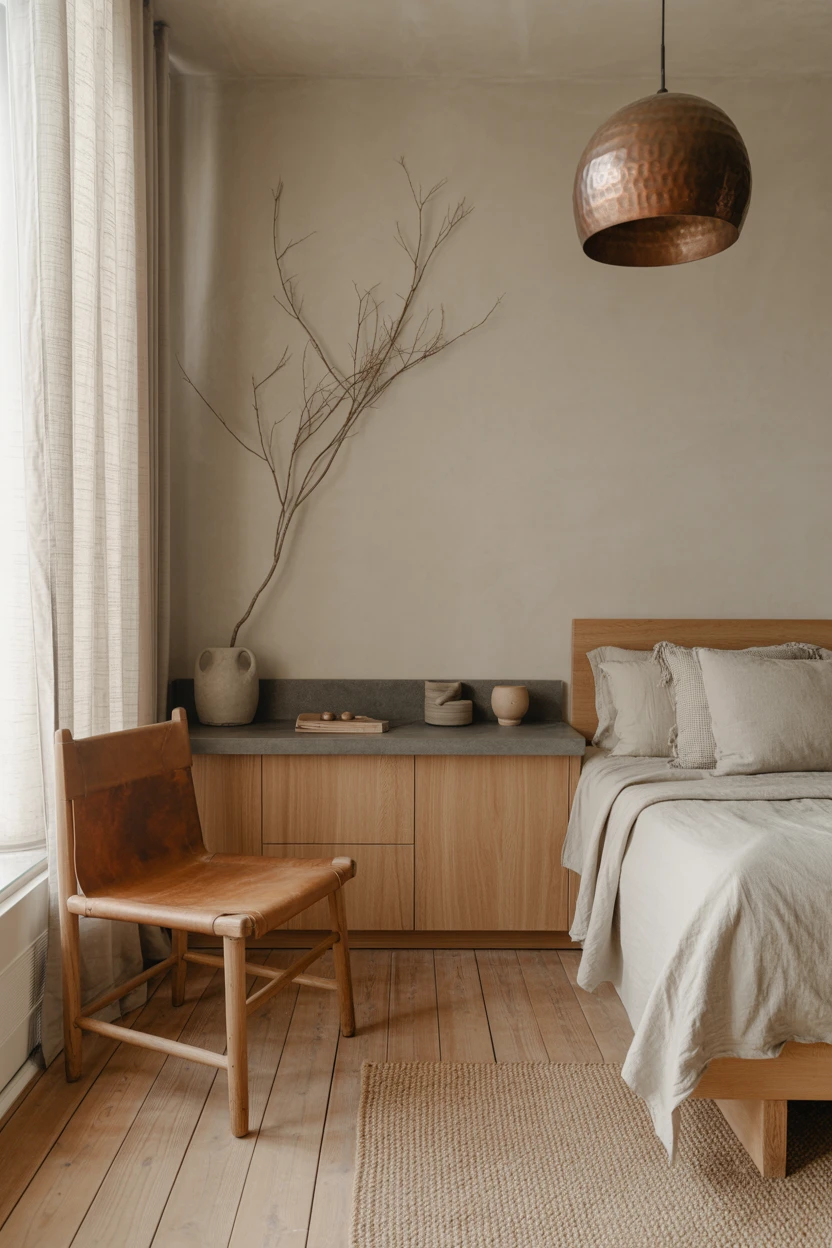
What if your studio's color palette emerged organically from untreated materials? This back-to-basics approach celebrates the inherent beauty of stone, wood, linen, and clay in their natural states—creating a space that feels timeless rather than trendy. The resulting palette of browns, grays, and sandy neutrals creates a soothing backdrop that's particularly effective in urban settings.
Unfinished woods show off their grain, perhaps with a simple oil treatment rather than stain. Stone appears as countertops or decorative objects with unique veining or texture. Textiles remain undyed—raw linen, cotton, or hemp in their natural colorations. Even metals are chosen for how they age naturally, like unlacquered brass that develops patina over time. The effect is earthy and grounded, with subtle variations that become more interesting the longer you live with them.
20. Metallic Accents
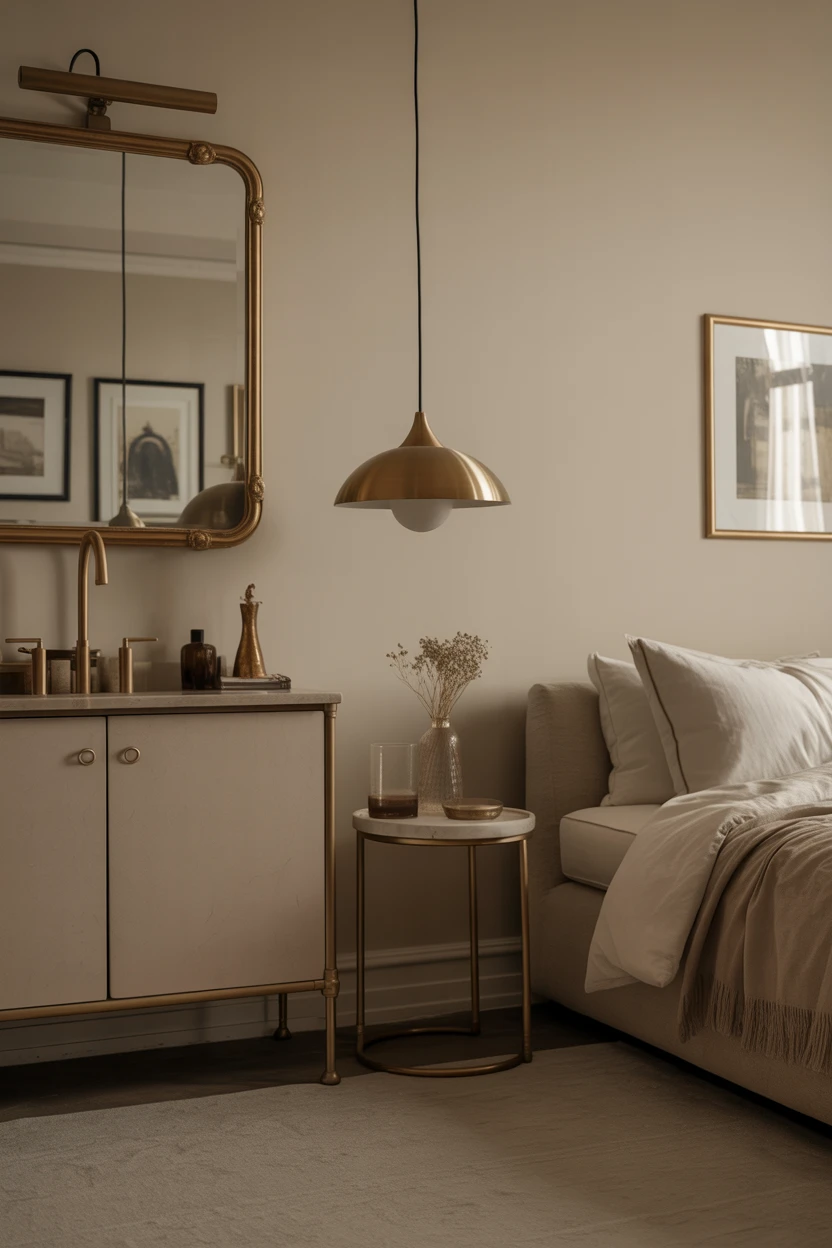
Think of metallics as jewelry for your studio apartment—strategic touches that elevate everything around them. This approach keeps the overall palette simple and cohesive while using metallic elements as unifying threads that draw your eye through the space. The key is commitment to a single metal tone—warm brass, rosy copper, or cool chrome—repeated thoughtfully rather than scattered randomly.
In a neutral studio, brass details might appear as lighting fixtures, cabinet hardware, mirror frames, and the legs of a side table, creating golden moments that catch light and add dimension. Metal finish matters too—polished surfaces feel more formal and reflective, while brushed or antiqued finishes add subtle texture. For maximum impact with minimum expense, concentrate metallic elements at eye level where they'll catch both natural light and ambient lighting at night.
21. Biophilic Studio
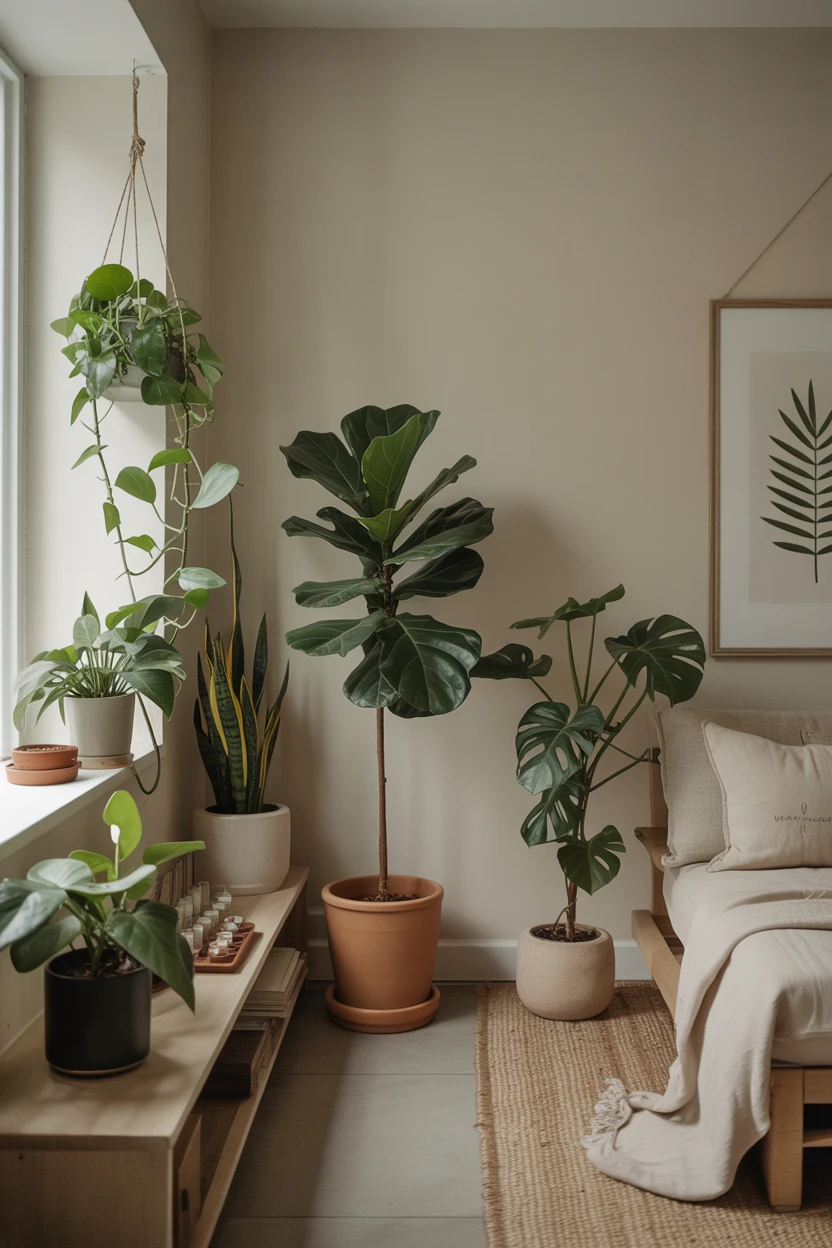
Plants aren't just decorative touches in a biophilic studio—they're the stars of the show! This nature-centered approach treats greenery as essential architecture, using plants of varying heights, textures, and shapes to define zones and create privacy within open studios. Beyond typical houseplants, consider how living elements can become functional dividers, focal points, and even art.
Start with statement plants like a fiddle leaf fig or mature monstera anchoring main zones, then layer in medium and small varieties at different heights. Hanging plants draw the eye up and use vertical space efficiently, while shelf-friendly varieties add life to storage areas. Planters become key design elements—try grouped terra cotta for Mediterranean vibes or sleek architectural pots for modern spaces. Beyond plants, incorporate natural light, organic materials, and nature-inspired colors for a fully realized biophilic experience.
Specialty Approaches
22. Budget-Beautiful Studio
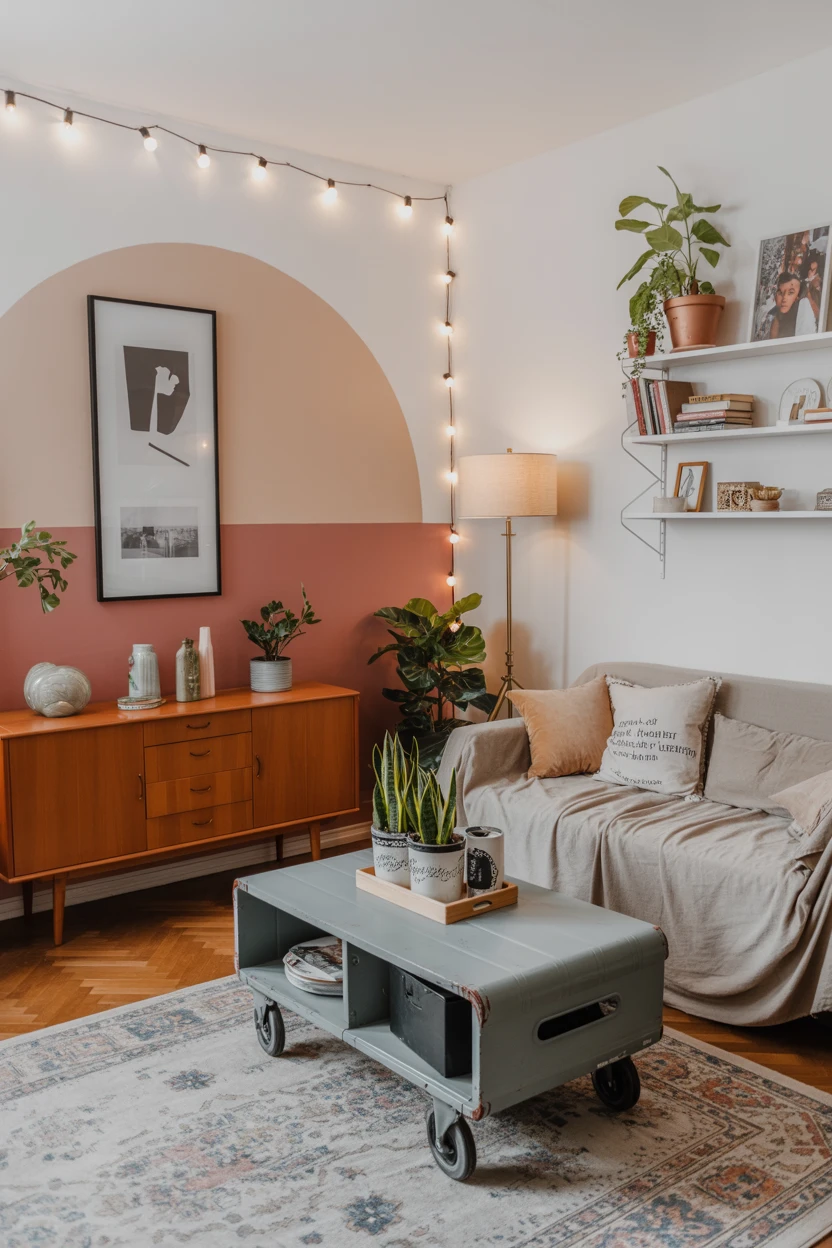
Who says great design requires deep pockets? Budget-Beautiful studios prove that creativity trumps cash every time. This approach focuses on strategic spending—investing in a few quality anchors while saving elsewhere through DIY, secondhand finds, and clever hacks.
Paint delivers the biggest bang for your buck—try color-blocking to define zones or painting architectural details in contrasting hues. Furniture gets upgraded through simple modifications: new knobs on marketplace finds, fresh fabric on secondhand chairs, or contact paper transforming basic surfaces. Lighting transforms atmosphere inexpensively with plug-in wall sconces or paper lanterns replacing costly fixtures.
The magic happens through thoughtful styling—thrifted books, propagated plants, and curated personal items creating a space that feels collected rather than constructed. The end result? A studio that looks custom-designed while leaving cash for what really matters in life.
23. Maximalist Micro
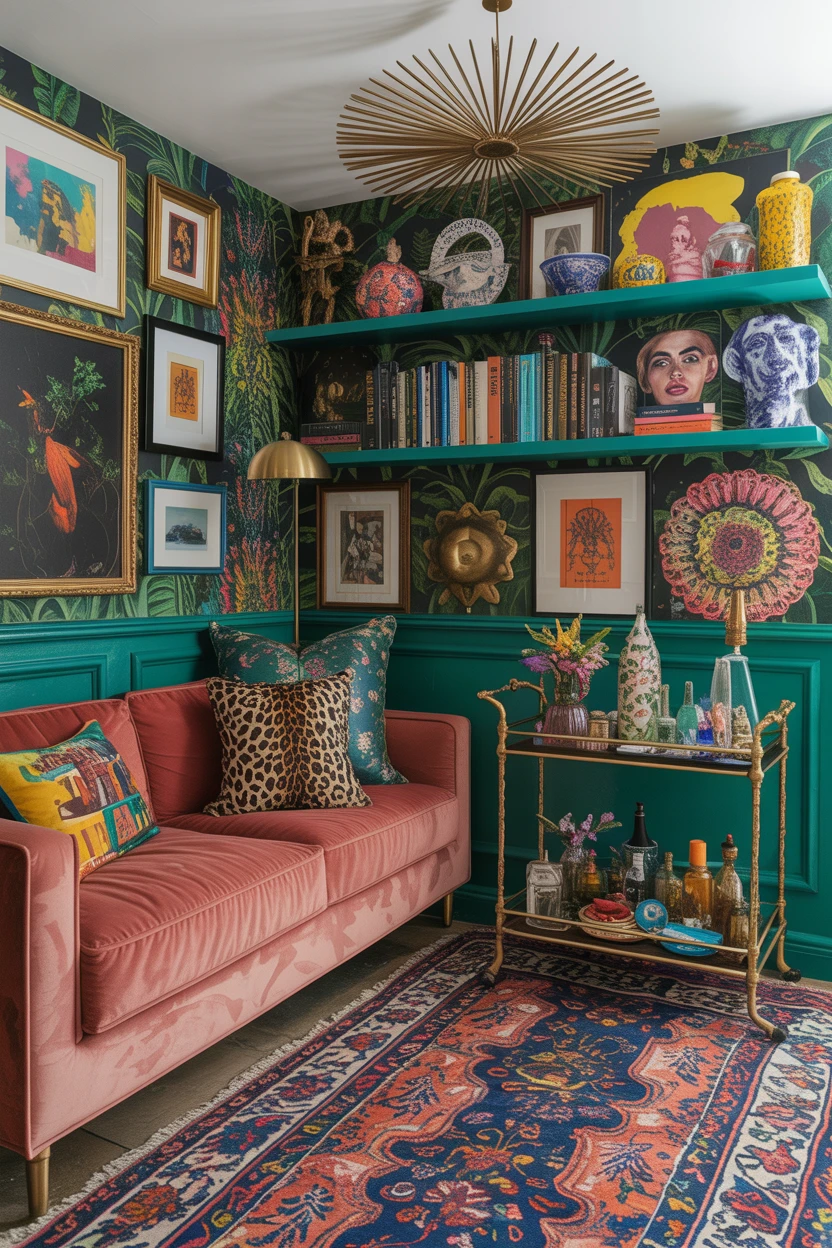
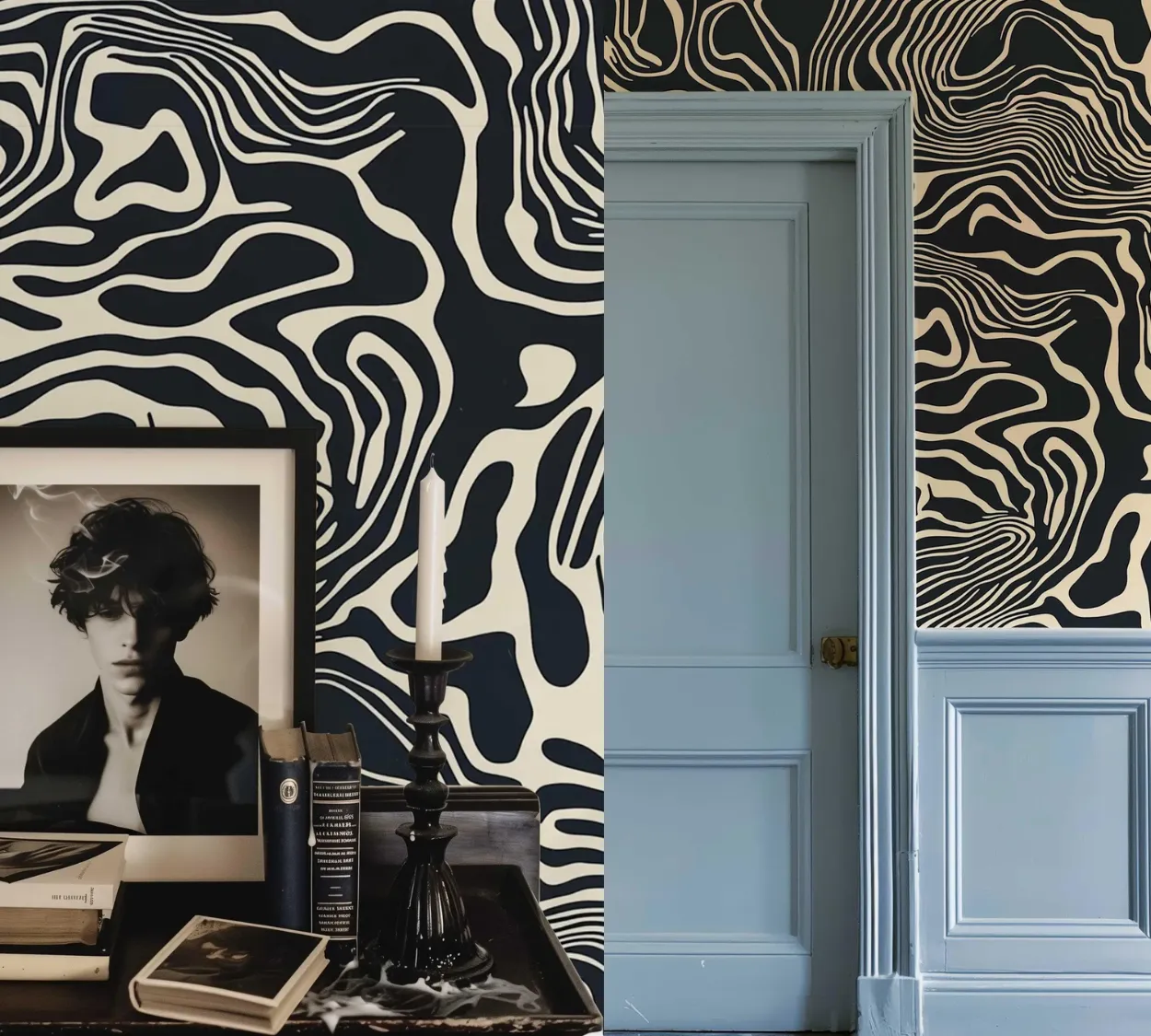
Forget the "less is more" mantra—maximalist studios prove that small spaces can handle big personality! This approach flips the script on minimalism by embracing pattern, color, and collections in a way that feels curated rather than cluttered. Think of it as organized abundance rather than chaos.
The key is creating visual rhythm through repeated colors or motifs—perhaps emerald green appearing in wallpaper, velvet cushions, and picture frames, creating cohesion among diverse elements. Walls become galleries for art collected over time, while surfaces display meaningful objects grouped by color or theme. Furniture often features sculptural silhouettes or statement upholstery that turns functional pieces into focal points.
Scale matters—mix larger statement pieces with smaller accents rather than filling the space with medium-sized everything. The result is a space that tells your unique story without feeling overwhelmed.
24. Artistic Studio
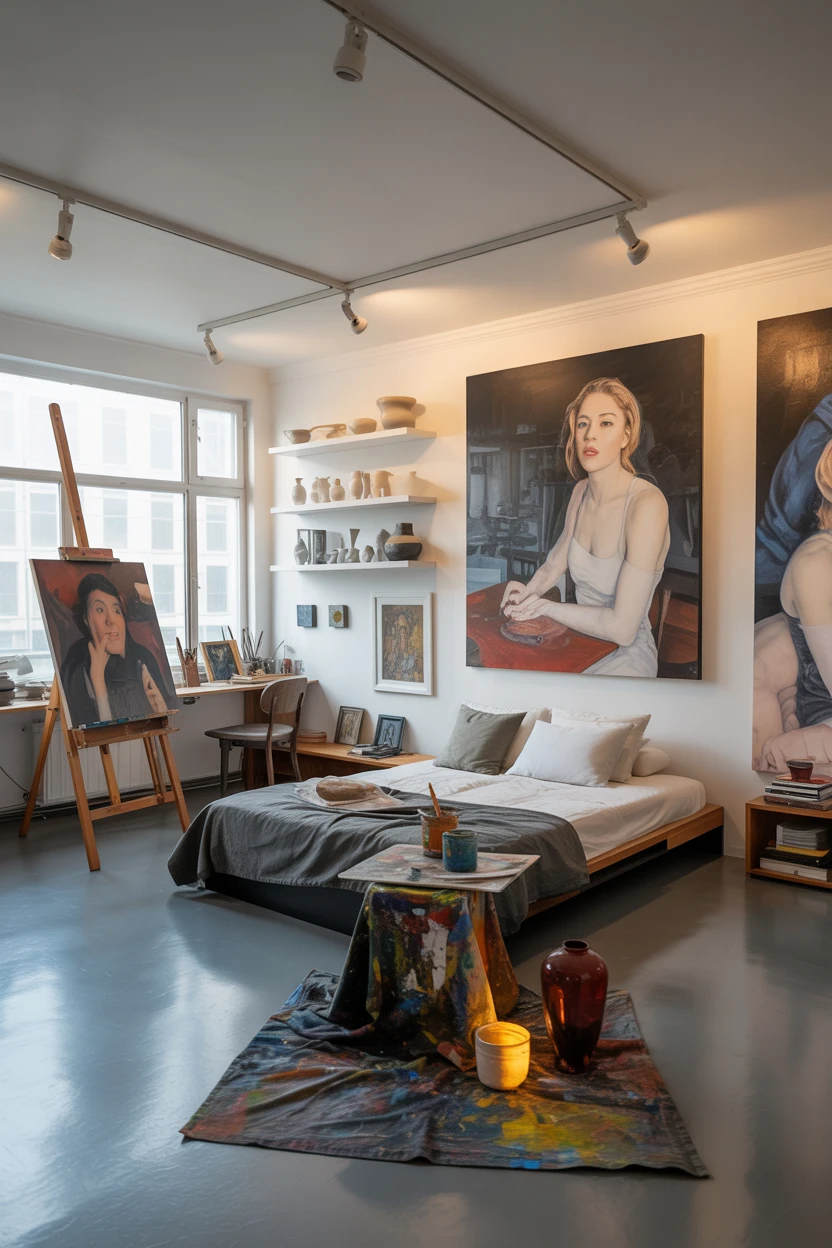
For the creatively inclined, an artistic studio approach treats your small space as a living canvas. This style prioritizes expression over convention, with a gallery-like atmosphere that elevates both the creation and display of art in everyday living.
White walls often form the foundation—though bold color can work beautifully too—creating a backdrop for artwork that ranges from original paintings to textile pieces, sculptures, or prints. Furniture remains relatively simple, allowing art to take center stage, though signature design pieces might serve as sculptural elements themselves.
Lighting takes on new importance with adjustable options highlighting key works. Studio organization acknowledges creative pursuits with dedicated zones for making, displaying, and appreciating art. The beauty of this approach is its deeply personal nature—whether you're showcasing your own creations or building a collection that speaks to your aesthetic sensibilities.
25. Smart Tech Studio
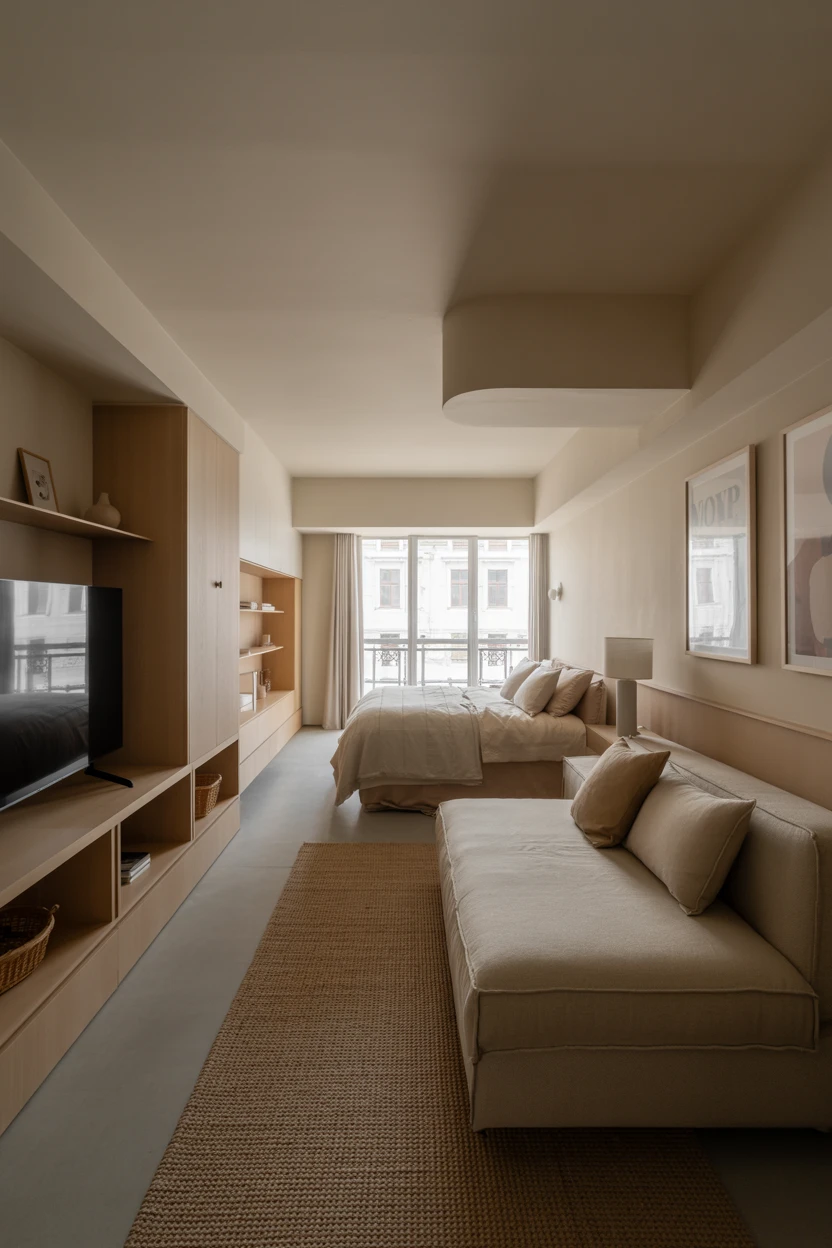
The smart tech studio integrates technology so seamlessly it feels like magic rather than machinery. This approach uses innovation to solve small-space challenges—from furniture that transforms at the touch of a button to ambient systems that adapt to your needs throughout the day.
Murphy beds with integrated charging stations, convertible desks, and motion-activated lighting maximize functionality while minimizing visual clutter. Wireless speakers, hidden projectors, and voice-activated systems eliminate the need for bulky entertainment centers. Even kitchen and bathroom spaces benefit from tech integration with compact appliances and space-saving fixtures.
The aesthetic typically leans contemporary with clean lines and hidden functionality, though smart tech can be incorporated into any style preference. The goal is creating a space that feels expansive beyond its square footage through technology that anticipates needs and solves problems before they arise.
26. Vintage Collector's Studio
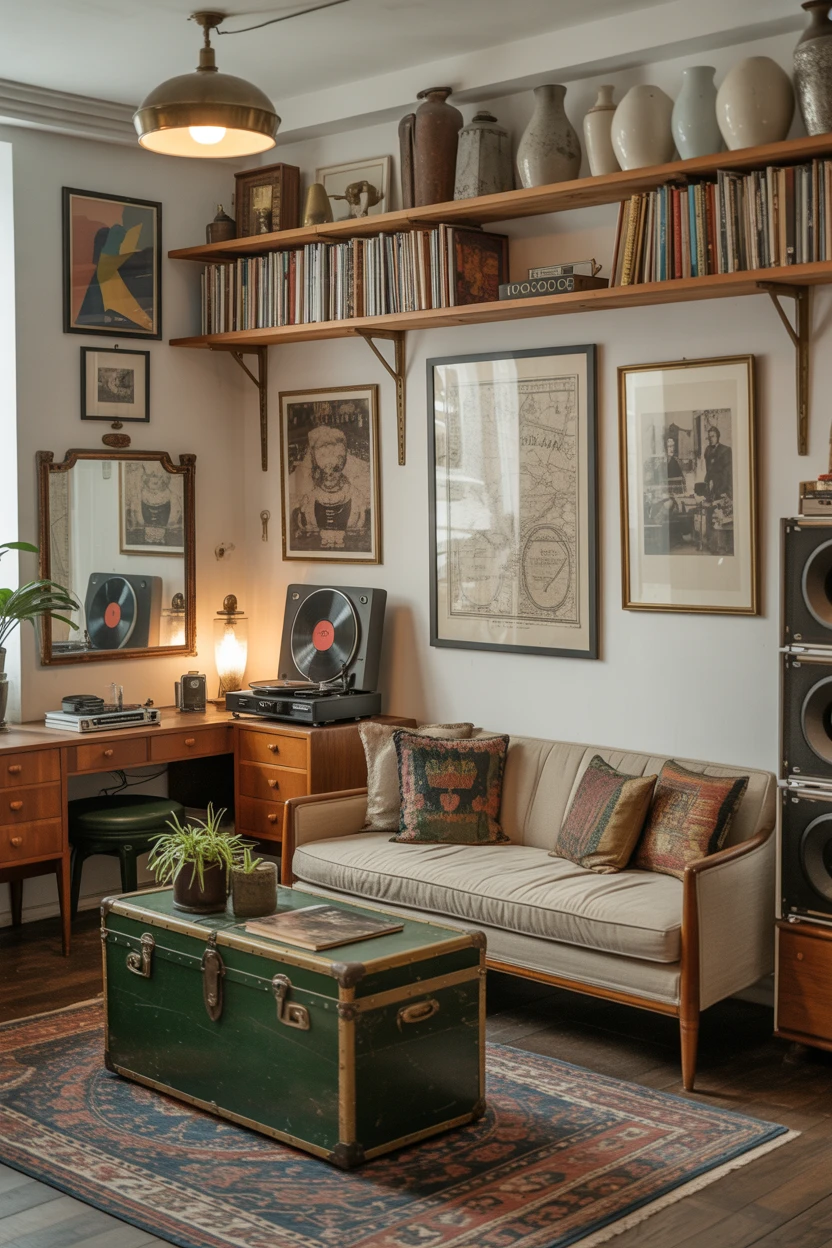
A vintage collector's studio celebrates the art of the find—curating pieces with history and character to create a space that couldn't be replicated from catalogs. This approach embraces imperfection and evolution, with a space that tells the story of both the objects and their finder.
Unlike strict period design, this style mixes eras freely—perhaps pairing a mid-century desk with an antique mirror and contemporary lighting. The key is creating conversation between pieces through complementary lines, colors, or materials. Storage becomes display through open shelving, glass-front cabinets, or vintage containers repurposed in unexpected ways.
Walls might feature vintage maps, architectural drawings, or salon-style art arrangements. The overall effect should feel collected over time rather than purchased all at once—a space with soul that reveals new details with each viewing.
27. Luxury Petit
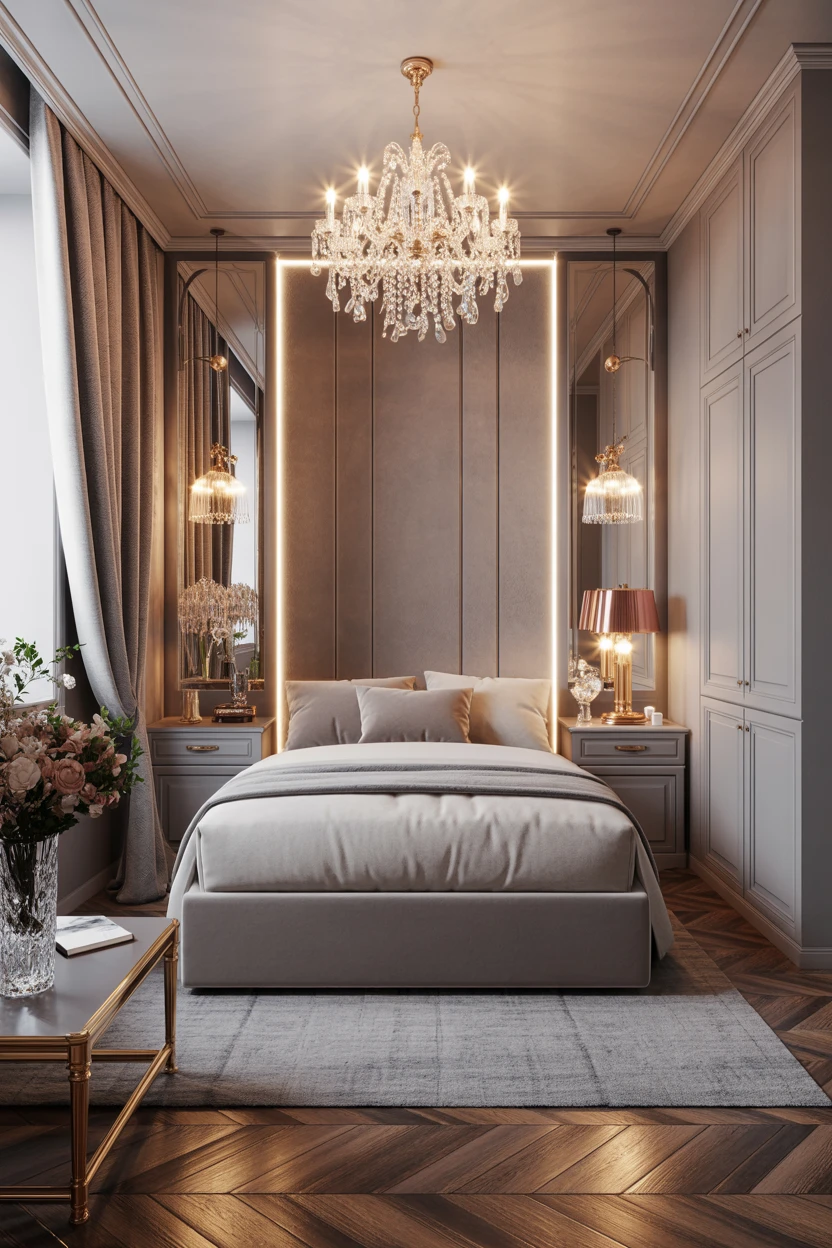
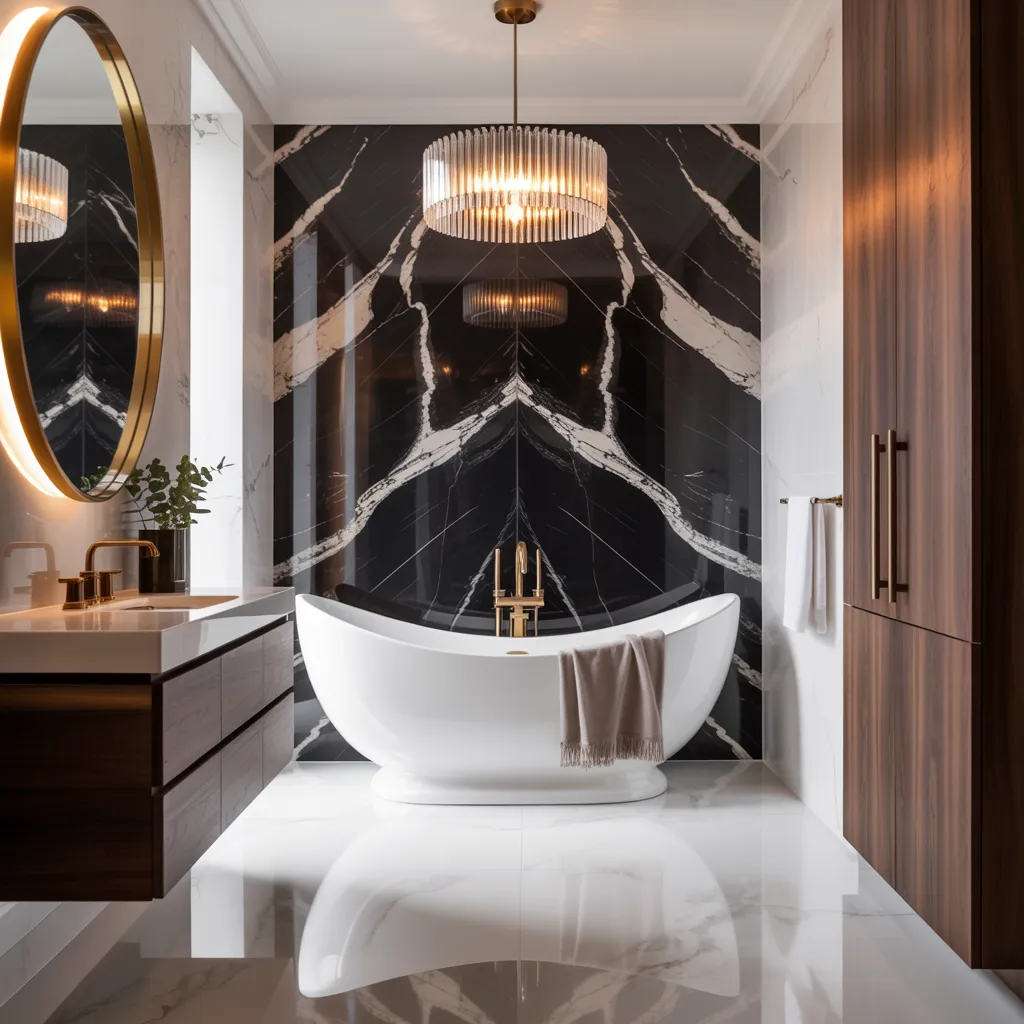
Luxury Petit proves that opulence isn't measured in square footage. This approach brings high-end living to compact quarters through impeccable materials, custom solutions, and elevated details that make every inch count. Think of it as the design equivalent of a perfectly tailored suit—no excess, just precise fit and exceptional quality.
Materials take center stage with authentic marble, solid woods, and sumptuous textiles that would feel at home in grand spaces but make an even stronger statement in concentrated doses. Custom furniture—often built-in to maximize space—features detailed craftsmanship like mitered corners, inlay work, or hand-applied finishes.
Lighting creates drama through carefully considered fixtures in mixed metals, while window treatments add textural luxury through proper fullness and lining. The color palette typically stays restrained, allowing materials to speak through their natural beauty. It's an investment approach that proves sometimes less square footage with better quality trumps more space with corners cut.
Conclusion
As we've explored these 27 distinct approaches to studio apartment design, one thing becomes abundantly clear: limited square footage doesn't mean limited creative potential. In fact, the constraints of studio living often spark the most innovative, personalized design solutions that might never emerge in larger spaces. It's not about compromising your vision—it's about distilling it to its most essential and impactful elements.
Remember that great studio design is an evolution, not an overnight transformation. Start with the style that resonates most deeply with you, then allow your space to develop organically as you discover what truly works for your daily life. Mix elements from different approaches as your needs and tastes evolve. The most successful small spaces are those that prioritize authenticity over perfection, reflecting the unique personalities of those who live in them.
We'd love to see how you've transformed your studio apartment! Share your before-and-after photos or design solutions with our community using #StudioStyleRevolution. Your creative solutions might be exactly what another reader needs to unlock the potential in their own space.
In the end, perhaps the greatest advantage of studio living is the clarity it demands. When every item must earn its place, you're left with a home filled only with things you truly love and use—and isn't that the ultimate luxury, regardless of square footage?
FAQ's
How can I adapt these design styles to an awkward studio layout?
Focus on the underlying principles rather than specific furniture arrangements. If your studio has challenging architecture (like a narrow galley layout or odd angles), identify which design approach best addresses your specific constraints. For example, Scandinavian's emphasis on light maximization works wonderfully in dark studios, while Color-Drenched Monochrome can unify disjointed spaces. Consider consulting with a designer for a single-session consultation to help translate your preferred aesthetic to your specific layout challenges.
Which design styles work best for extremely small studios (under 300 sq ft)?
Look to approaches that embrace vertical space and visual lightness: Scandinavian, Contemporary Minimalist, and Japandi excel in extremely tight quarters. Color-wise, Tonal and Neutral Textures create cohesion without overwhelm. For micro-studios, multi-functional furniture becomes non-negotiable regardless of style choice. Consider wall-mounted or floating elements that maintain floor visibility, and embrace the "jewel box" mindset of the Luxury Petit or Moroccan approaches where every detail counts.
I'm on a tight budget. Which design styles are most economical to implement?
Budget-Beautiful is specifically designed for cost-conscious styling, but several other approaches are wallet-friendly with strategic implementation. California Casual embraces simple materials and relaxed imperfection, making secondhand finds feel intentional. Scandinavian relies on affordable basics with thoughtful styling. For immediate impact without major investment, try Color-Drenched Monochrome using paint to transform your space, or Biophilic design where propagated plants create drama at minimal cost. Remember that most styles can be achieved gradually, allowing you to invest in key pieces over time.
How can I implement these styles in a rental where I can't make permanent changes?
Rental-friendly alternatives exist for almost every design approach! Use removable wallpaper or large fabric panels instead of paint for color impact. Replace built-ins with freestanding furniture that creates similar functions. Lighting can be transformed with plug-in fixtures rather than hardwired ones. For Maximalist or Artistic approaches, use picture hanging strips for gallery walls. Consider furniture as your primary design element—a distinctive sofa or bed can establish your chosen aesthetic without altering the space itself. Even architectural details can be suggested through clever furniture placement or temporary additions.
Can I mix elements from different design styles without creating chaos?
Absolutely! In fact, the most authentic spaces usually blend multiple approaches. The secret is identifying common threads to maintain cohesion—perhaps a consistent color palette while mixing Scandinavian and Industrial elements, or a shared material language while combining Japandi and Biophilic approaches. Another strategy is to keep 70% of your space in one primary style while introducing 30% in complementary accents from another. Start with styles that naturally relate: Mediterranean pairs beautifully with Moroccan, while Contemporary Minimalist creates a perfect backdrop for carefully curated Vintage Collector pieces.
Which design approaches work best for studios that double as work-from-home spaces?
Smart Tech Studio offers obvious benefits for work integration, but several other styles excel at incorporating productive spaces. Scandinavian and Contemporary Minimalist provide the clean, distraction-free backdrops many need for focus. Artistic Studio often naturally accommodates creative work. For effective work-life separation in any style, consider vertical solutions like secretary desks that close away work life, or room dividers (physical or visual) that create boundaries between living and working zones. Lighting becomes crucial in dual-purpose studios—ensure you have both ambient and task lighting appropriate for your work needs.
How do I prevent my small studio from feeling cluttered, especially in more maximal styles?
Even the most pattern-rich approaches like Maximalist Micro or Moroccan require thoughtful editing in small spaces. Establish breathing room by ensuring at least 20% negative space in any vignette. Create visual breaks between busy areas through solid colors or empty space. Consistent color palettes make diverse elements feel intentional rather than chaotic. Regular reassessment is key—adopt a "one in, one out" policy for new acquisitions. Finally, robust storage solutions appropriate to your chosen style ensure everything has a place to be put away, allowing decorative elements to shine without competition from daily necessities.